




#跟单金牌星探 #加密市场行情震荡
FED HOLDS RATES BUT DIVIDES DEEPEN A HISTORIC FOMC MOMENT
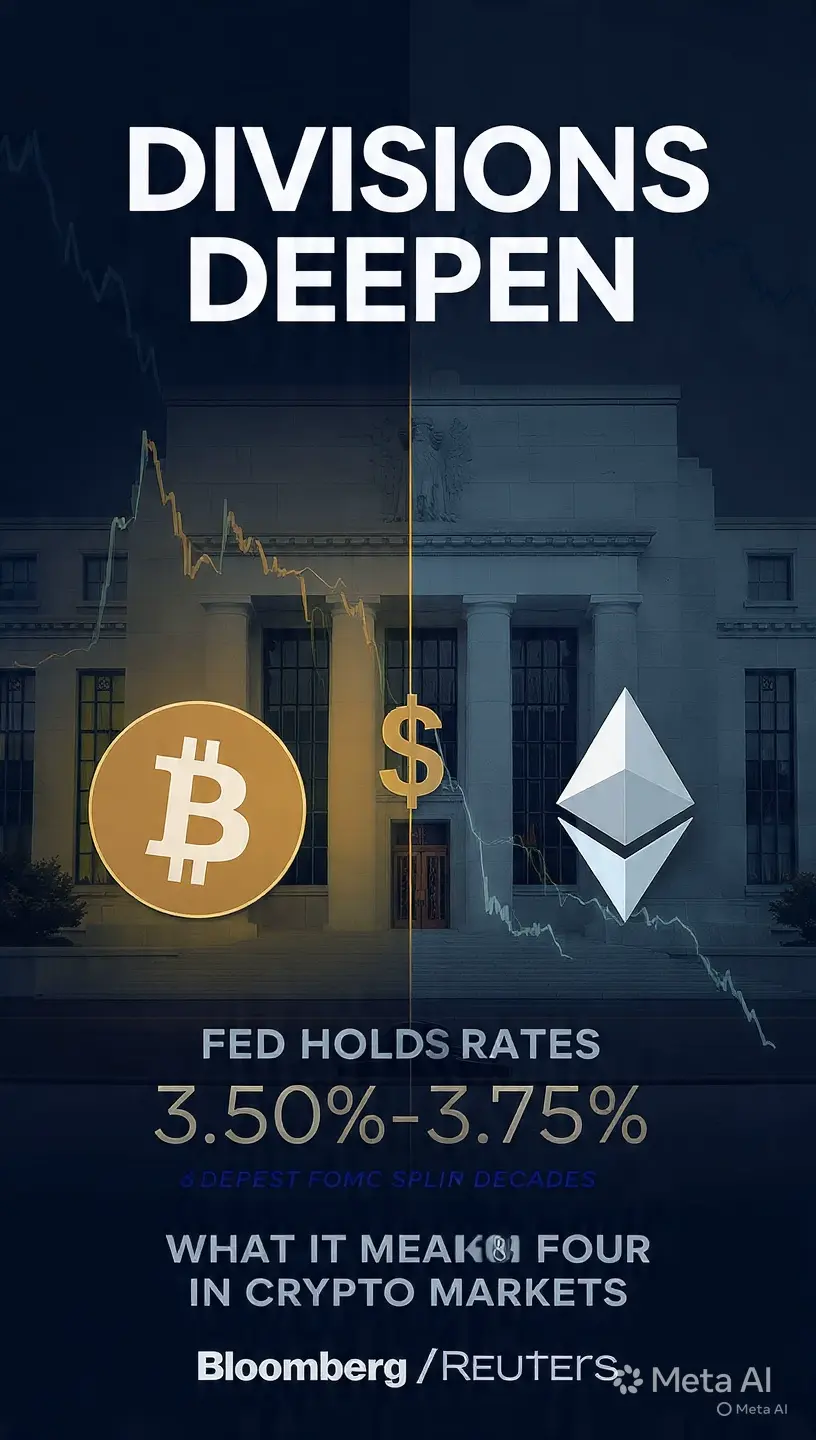
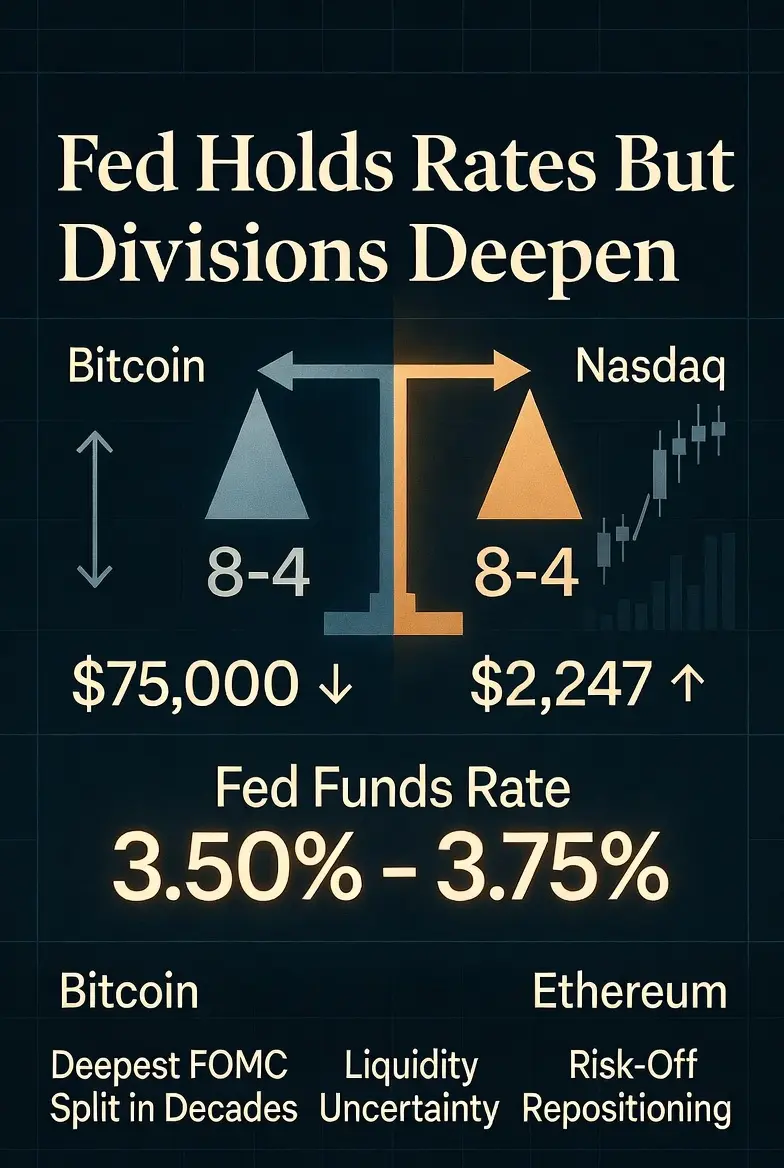
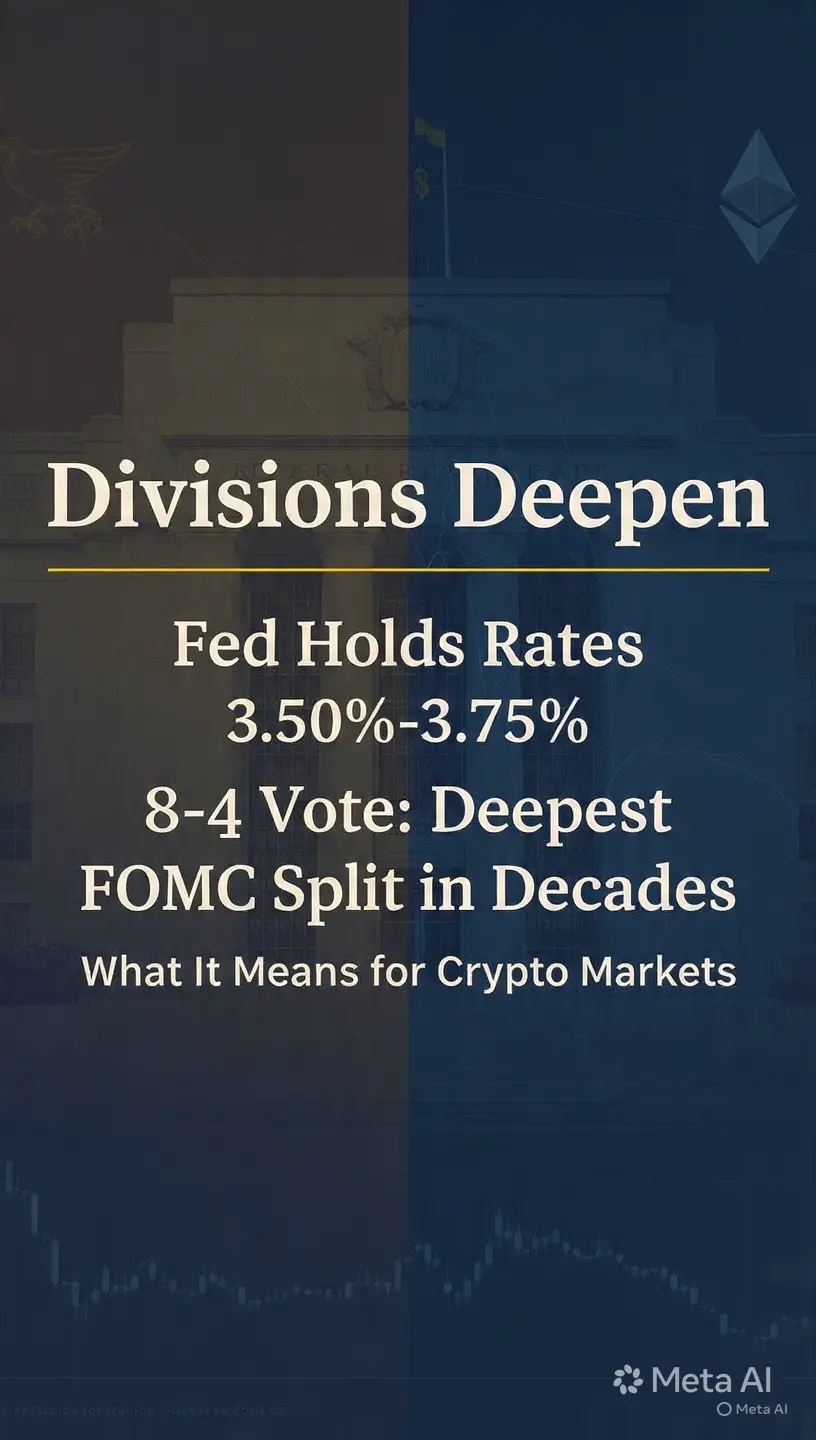
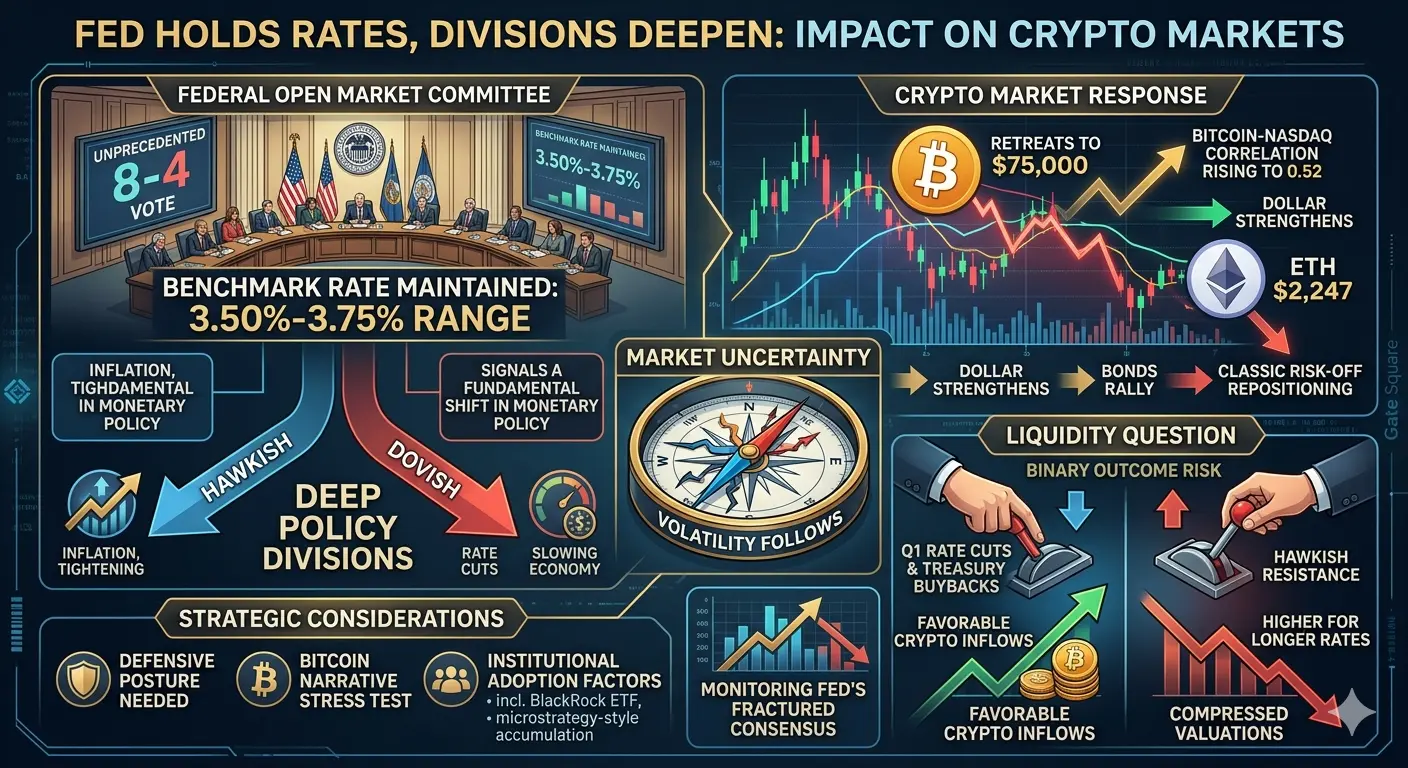
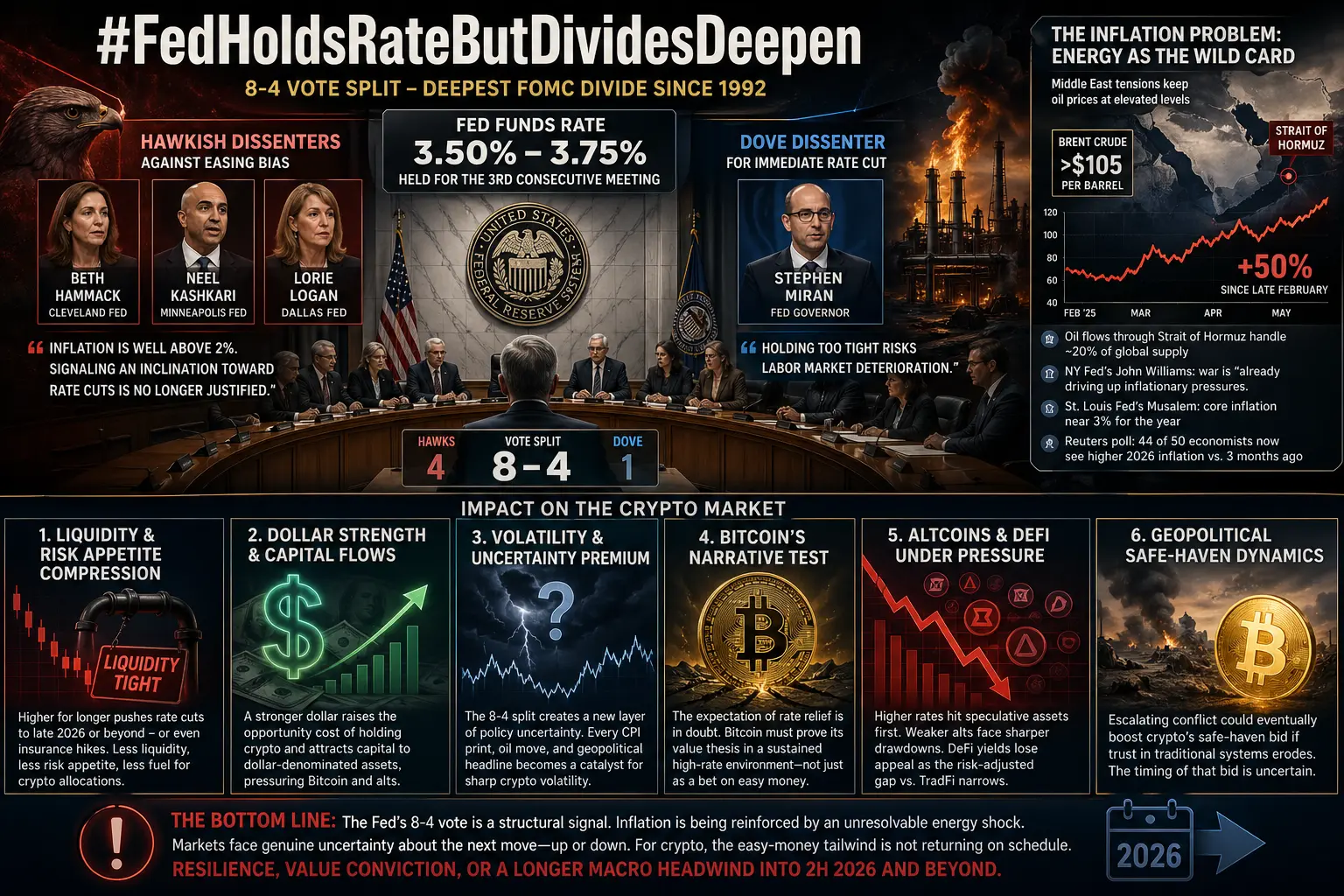
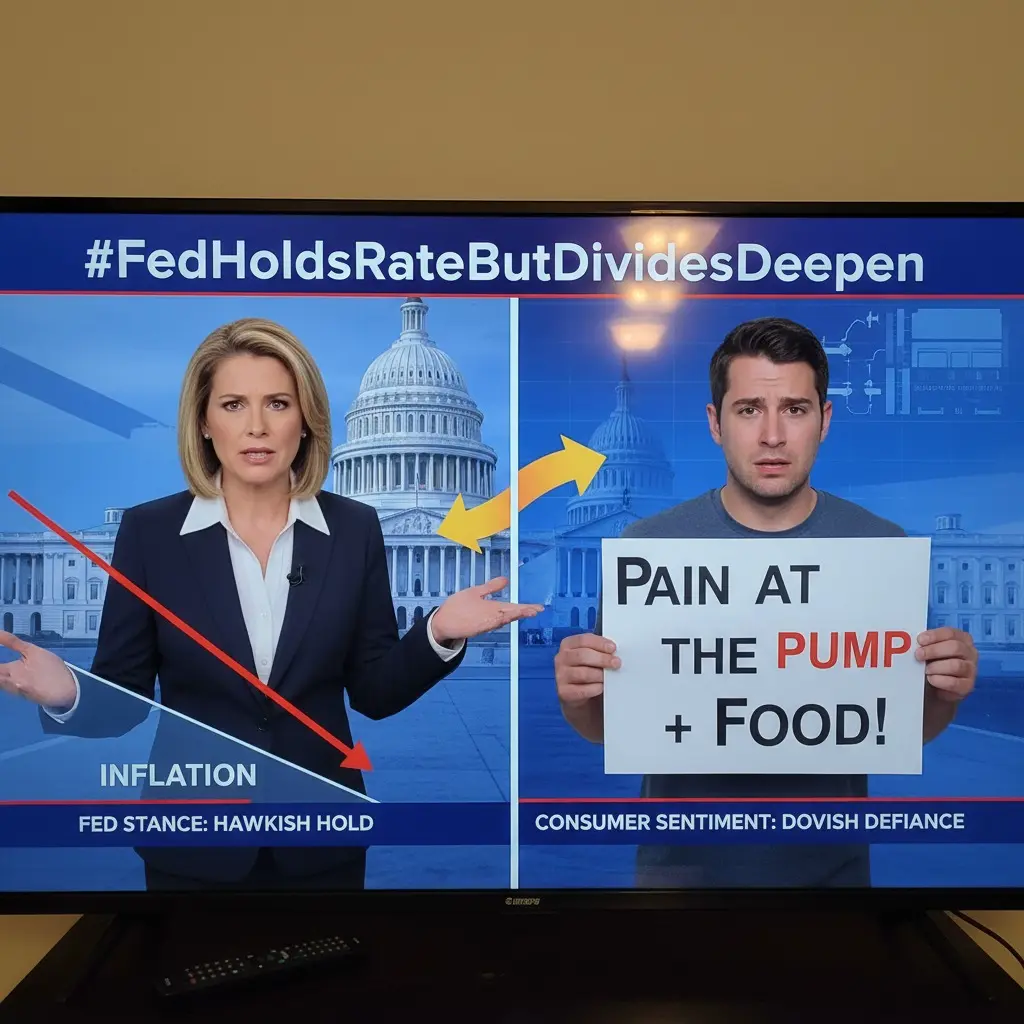
On April 29, 2026, the Federal Reserve kept its benchmark interest rate unchanged at 3.5%–3.75% for the third straight meeting, matching expectations. The decision came amid elevated inflation driven by rising global energy prices and uncertainty linked to the US–Iran conflict and disruptions in the Strait of Hormuz. While the rate hold itself wasn’t surprising, what followed made this meeting one of the most important in years.
The 8–4 Split That Shocked Markets
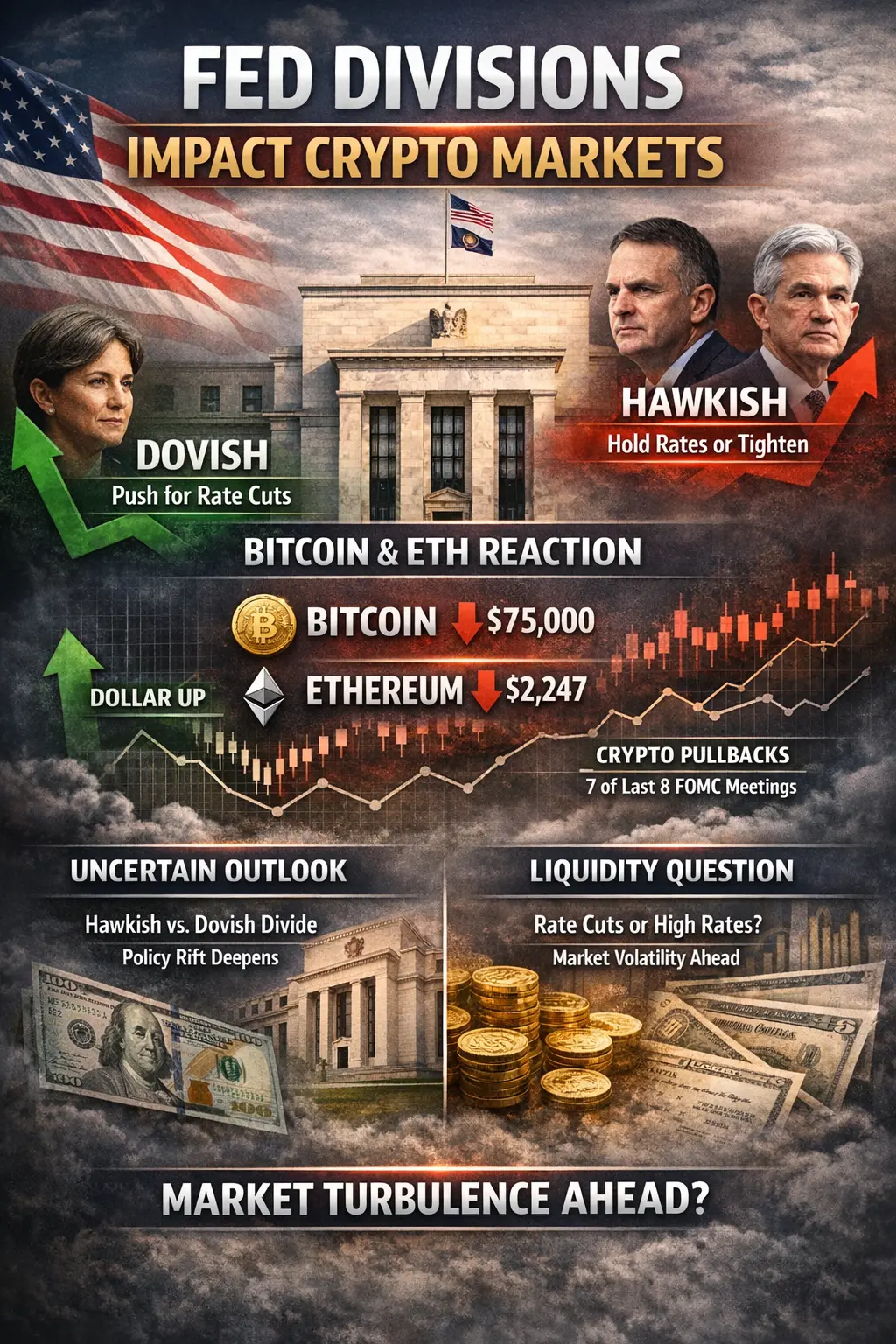
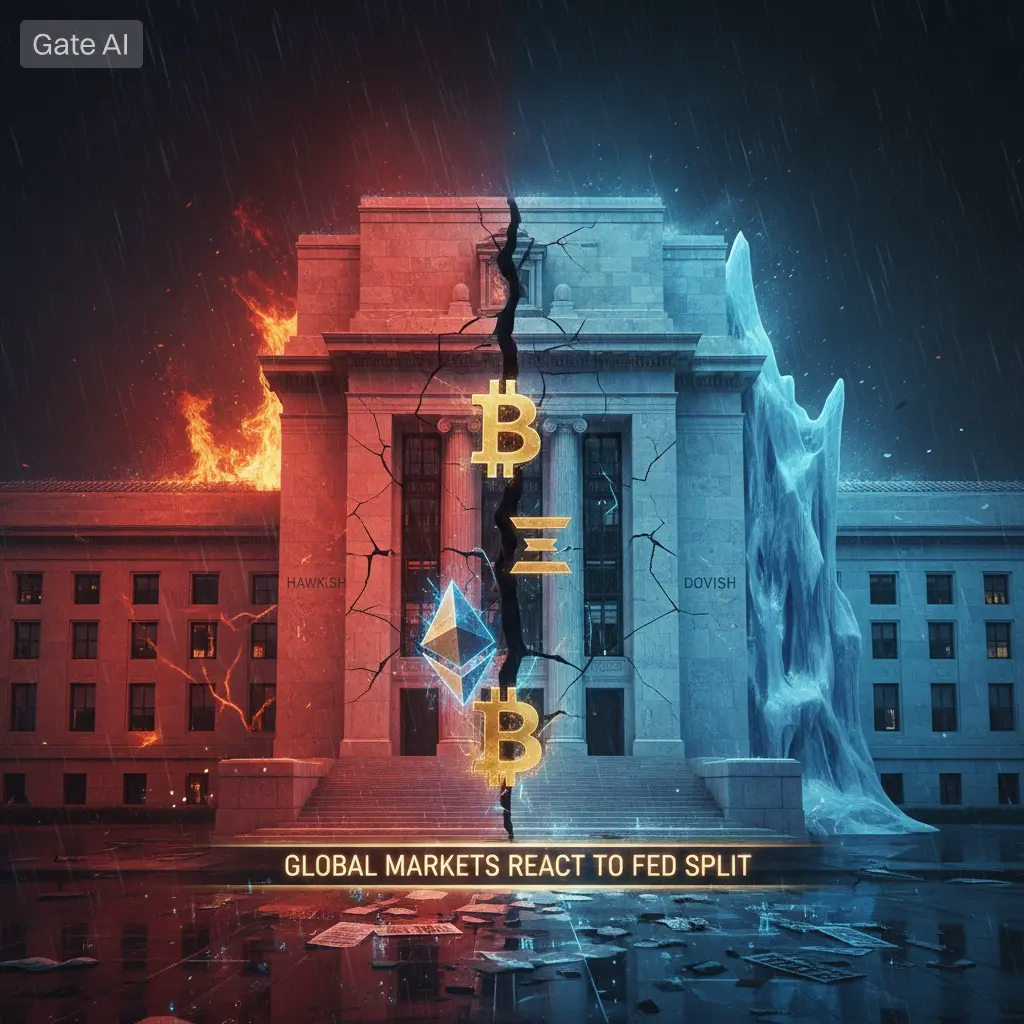
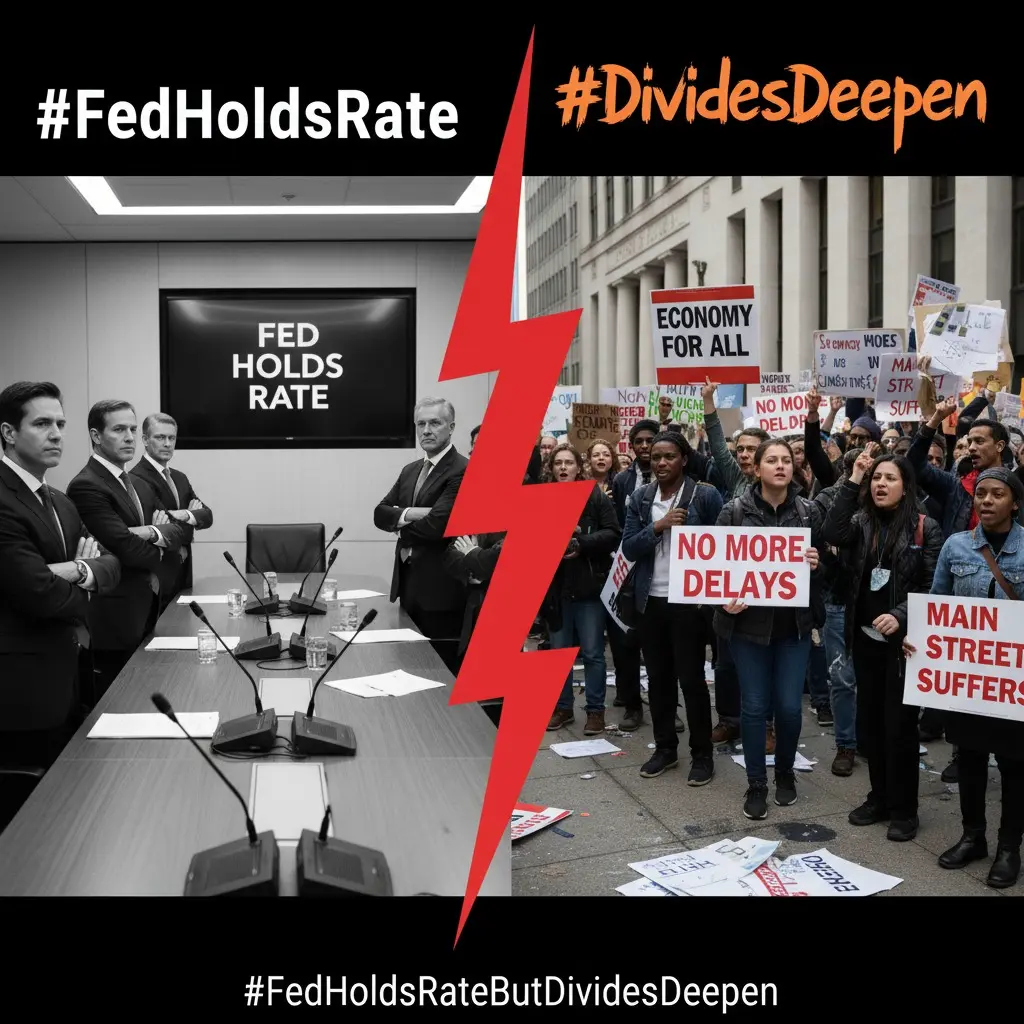
The decision passed with an 8–4 vote an unusually high level of disagreement within the FOMC. Three dissenters supported holding rates but opposed the language suggesting future easing, signaling concern that inflation may stay high longer due to energy shocks. Another dissenter wanted an immediate rate cut. This created a rare three-way policy divide: cut now, hold with easing bias, or hold without easing bias. The message was clear the Fed is deeply divided on the path forward.
Powell’s Final Press Conference
This meeting marked Jerome Powell’s final press conference as Fed Chair before his term ends in May 2026. He strongly defended Federal Reserve independence amid political pressure and ongoing investigations. Powell confirmed he would remain on the Board of Governors until 2028, meaning he will overlap with incoming Chair Kevin Warsh an unusual leadership situation that adds further uncertainty.
The Supply Shock Framework
Powell explained the current economic challenge through four major supply shocks: the pandemic, the Ukraine war, tariffs, and now the Iran conflict and oil surge. These shocks are pushing inflation up while also risking economic slowdown a classic stagflation scenario. In such conditions, central bank decisions become extremely difficult, which explains the internal division.
Markets React: No Rate Cuts Expected
Following the decision, markets quickly adjusted expectations. Investors are now pricing in zero rate cuts for the rest of 2026, a major shift from earlier forecasts. Treasury yields moved higher, reflecting tighter financial conditions. Higher yields typically pressure risk assets like stocks and crypto, even though the dollar remained relatively stable.
Warsh Confirmation Adds Pressure
On the same day, Kevin Warsh advanced through the Senate Banking Committee, clearing a key step toward becoming the next Fed Chair. Analysts see the dissenting votes as a signal to Warsh that aggressive rate cuts may face strong resistance within the Fed. This sets up a potentially tense transition period.
Crypto Market Perspective
For crypto, the impact is mixed. In the short term, the removal of rate cut expectations reduces a key bullish catalyst, which may slow momentum. However, the bigger picture tells a different story. A divided Fed, political pressure, and uncertain policy direction increase trust in decentralized systems like Bitcoin. Unlike central banks, Bitcoin operates on fixed rules a key advantage during institutional uncertainty.
Final Verdict
The April 29 FOMC meeting was not just about holding rates. It revealed a deeply divided Federal Reserve, a historic leadership transition, and growing uncertainty in monetary policy. Markets now face a complex environment where inflation, geopolitics, and institutional dynamics all collide. The Fed may have held rates steady but the future direction of policy has never been less certain.
#FedHoldsRateButDividesDeepen
FED HOLDS RATES BUT DIVIDES DEEPEN A HISTORIC FOMC MOMENT
On April 29, 2026, the Federal Reserve kept its benchmark interest rate unchanged at 3.5%–3.75% for the third straight meeting, matching expectations. The decision came amid elevated inflation driven by rising global energy prices and uncertainty linked to the US–Iran conflict and disruptions in the Strait of Hormuz. While the rate hold itself wasn’t surprising, what followed made this meeting one of the most important in years.
The 8–4 Split That Shocked Markets
The decision passed with an 8–4 vote an unusually high level of disagreement within the FOMC. Three dissenters supported holding rates but opposed the language suggesting future easing, signaling concern that inflation may stay high longer due to energy shocks. Another dissenter wanted an immediate rate cut. This created a rare three-way policy divide: cut now, hold with easing bias, or hold without easing bias. The message was clear the Fed is deeply divided on the path forward.
Powell’s Final Press Conference
This meeting marked Jerome Powell’s final press conference as Fed Chair before his term ends in May 2026. He strongly defended Federal Reserve independence amid political pressure and ongoing investigations. Powell confirmed he would remain on the Board of Governors until 2028, meaning he will overlap with incoming Chair Kevin Warsh an unusual leadership situation that adds further uncertainty.
The Supply Shock Framework
Powell explained the current economic challenge through four major supply shocks: the pandemic, the Ukraine war, tariffs, and now the Iran conflict and oil surge. These shocks are pushing inflation up while also risking economic slowdown a classic stagflation scenario. In such conditions, central bank decisions become extremely difficult, which explains the internal division.
Markets React: No Rate Cuts Expected
Following the decision, markets quickly adjusted expectations. Investors are now pricing in zero rate cuts for the rest of 2026, a major shift from earlier forecasts. Treasury yields moved higher, reflecting tighter financial conditions. Higher yields typically pressure risk assets like stocks and crypto, even though the dollar remained relatively stable.
Warsh Confirmation Adds Pressure
On the same day, Kevin Warsh advanced through the Senate Banking Committee, clearing a key step toward becoming the next Fed Chair. Analysts see the dissenting votes as a signal to Warsh that aggressive rate cuts may face strong resistance within the Fed. This sets up a potentially tense transition period.
Crypto Market Perspective
For crypto, the impact is mixed. In the short term, the removal of rate cut expectations reduces a key bullish catalyst, which may slow momentum. However, the bigger picture tells a different story. A divided Fed, political pressure, and uncertain policy direction increase trust in decentralized systems like Bitcoin. Unlike central banks, Bitcoin operates on fixed rules a key advantage during institutional uncertainty.
Final Verdict
The April 29 FOMC meeting was not just about holding rates. It revealed a deeply divided Federal Reserve, a historic leadership transition, and growing uncertainty in monetary policy. Markets now face a complex environment where inflation, geopolitics, and institutional dynamics all collide. The Fed may have held rates steady but the future direction of policy has never been less certain.
#FedHoldsRateButDividesDeepen