Block

2026-01-01 19:41:05
Blockchain
Crypto glossary
Crypto Tutorial
Mining
Web 3.0
Article Rating : 4
40 ratings
Explore the fundamentals of blockchain blocks and their functionality. Gain insights into block architecture, cryptographic validation, mining processes, and the critical role blocks play in Web3 technology. This comprehensive beginner's guide offers a clear and structured introduction for those entering the field.
Block

Definition of Block

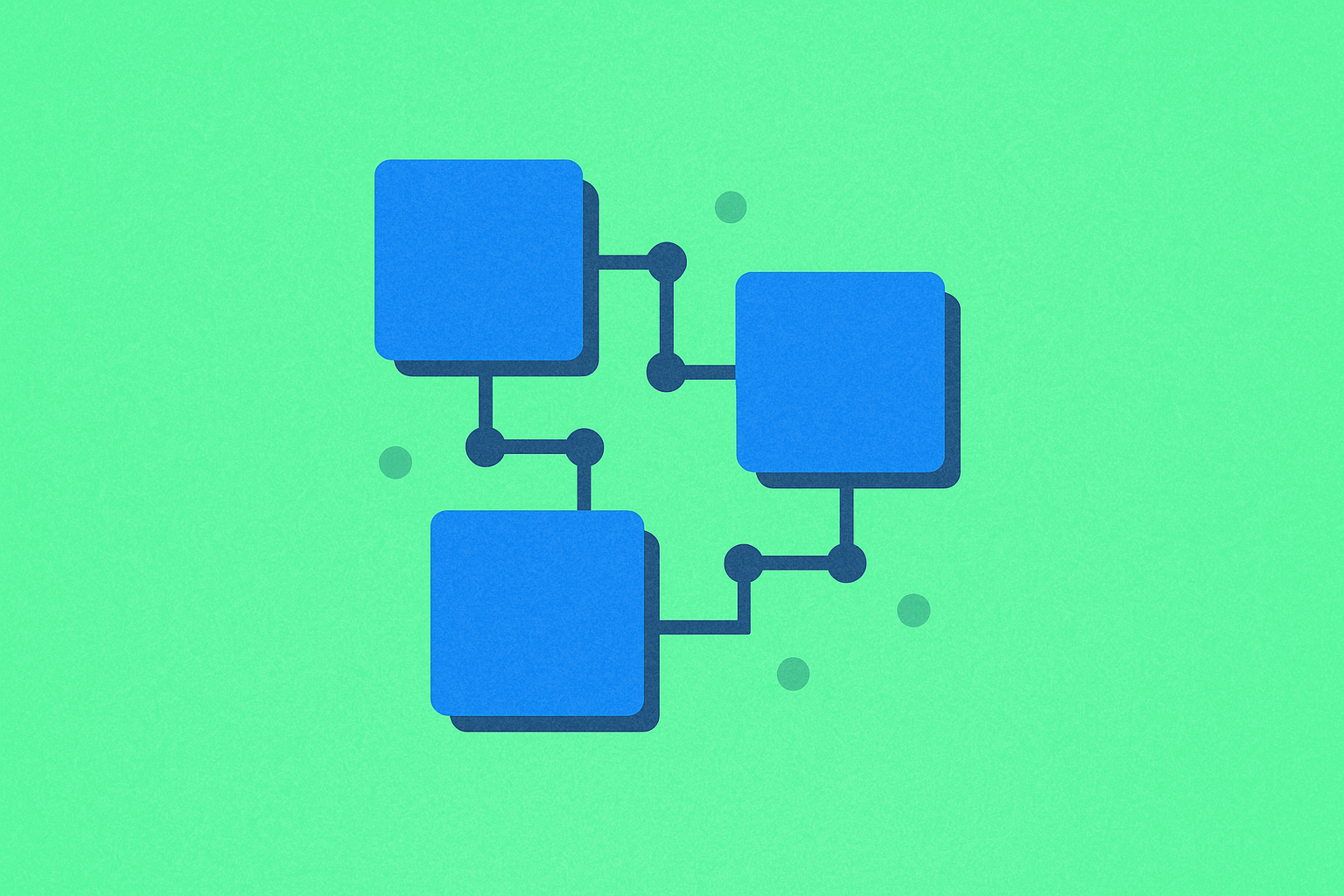
In blockchain technology, a block is a computer file used to store transaction data. Blocks are the fundamental units that make up a blockchain system. Each block contains essential details about transactions that have occurred on the network, creating an immutable and permanent record.

The word "blockchain" comes from the way these blocks are structured—they are linked together in a linear, sequential fashion that forms an unending chain. All transaction information within a blockchain is collected and recorded in these blocks. Each new block attaches to its predecessor using advanced cryptographic methods, establishing a secure, verifiable connection between each block in the sequence.

Structure and History of Blockchain

The connected chain of blocks stores every transaction that has taken place since the blockchain network launched. This record traces all the way back to the very first block, known as the genesis block or block zero. This foundational block marks the origin of the entire blockchain.

The number of confirmed blocks added to the chain since the genesis block is called the block height. This metric is key for tracking a blockchain network’s growth and maturity over time.

Components of a Block

In the Bitcoin blockchain, for example, blocks consist of several components that work together to create a complete transaction record. Bitcoin blocks typically include a list of recent transactions confirmed by the network. Each block also features a timestamp for when it was created and a pointer to the immediately preceding block.

This pointer is especially significant—it is a cryptographic hash of the previous block’s data. The hash acts as a unique identifier and forms the cryptographic link that chains blocks together in a secure sequence.

Cryptographic Linking and Mining

Every new block includes the hash of the previous block, which is what cryptographically connects them. This design enables a blockchain to serve as a secure database that is highly resistant to tampering, since any attempt to alter historical data would break the cryptographic chain.

The block hash is the result of solving a complex mathematical puzzle. Each block’s hash is unique and is generated through a process called mining. Miners compete to find valid solutions for the next block, and the miner who solves the cryptographic puzzle first earns the right to validate that block and its transactions.

Mining demands significant computing resources, so successfully mined blocks generate new cryptocurrency as rewards for miners—a system called the block reward. This incentive keeps miners engaged in securing and validating the network.

Block Competition and Orphan Blocks

Sometimes, two or more miners discover a valid block hash at the same time, resulting in two different blocks being broadcast simultaneously. This creates two competing chains that temporarily diverge.

To resolve this, network nodes follow a consensus mechanism and choose the chain that eventually becomes the longest and accumulates the most work. The alternative chain is abandoned, and its blocks become stale, also known as orphan blocks. This process ensures the network ultimately converges on a single, canonical blockchain.

Extended Applications

While blocks are most often discussed in the context of cryptocurrency transactions, they can also store other types of digital data on blockchain systems. The core idea of organizing information into cryptographically linked blocks applies to many uses beyond finance, such as supply chain management, digital identity verification, and smart contract execution. This flexibility highlights the broad potential of blockchain technology beyond its initial cryptocurrency focus.

FAQ

What is a block in the blockchain?

A block is a data container on the blockchain that stores a set of verified transactions. After it’s filled and confirmed, it’s added to the existing chain.

How is a blockchain block created and validated?

Blocks are created by miners who solve complex mathematical problems in the mining process. Once a block is created, the network verifies it and adds it to the blockchain after validating all transactions.

What is a block’s size limit and why is it necessary?

A block has a maximum size of 1024 threads to match GPU processing units. This limit boosts execution efficiency and prevents system resource exhaustion.

How are blocks and transactions related in the blockchain?

A block acts as a container for transactions. Multiple transactions are bundled into a single block, which includes transaction amounts, timestamps, and other details. Transactions are the basic units of a block, and blocks maintain blockchain integrity by recording and verifying these transactions.

What is a block header and what information does it contain?

The block header is a core part of blockchain structure containing critical metadata. It includes the previous block’s hash, a timestamp, the Merkle root, difficulty, nonce, and other vital data that ensure the chain’s integrity and continuity.

How do blockchain blocks ensure data security and immutability?

Blockchains secure data with cryptographic hashes and distributed consensus. Each block is cryptographically linked to the previous one, so any change is immediately detected by the network. Distributed consensus prevents tampering and ensures data remains immutable.

* The information is not intended to be and does not constitute financial advice or any other recommendation of any sort offered or endorsed by Gate.
Related Articles
How to Withdraw Money from Crypto Exchanges in 2025: A Beginner's Guide

How to Withdraw Money from Crypto Exchanges in 2025: A Beginner's Guide

Navigating the crypto exchange withdrawal process in 2025 can be daunting. This guide demystifies how to withdraw money from exchanges, exploring secure cryptocurrency withdrawal methods, comparing fees, and offering the fastest ways to access your funds. We'll tackle common issues and provide expert tips for a smooth experience in today's evolving crypto landscape.

2025-08-14 05:17:58
5 ways to get Bitcoin for free in 2025: Newbie Guide

5 ways to get Bitcoin for free in 2025: Newbie Guide

In 2025, getting Bitcoin for free has become a hot topic. From microtasks to gamified mining, to Bitcoin reward credit cards, there are numerous ways to obtain free Bitcoin. This article will reveal how to easily earn Bitcoin in 2025, explore the best Bitcoin faucets, and share Bitcoin mining techniques that require no investment. Whether you are a newbie or an experienced user, you can find a suitable way to get rich with cryptocurrency here.

2025-08-14 05:17:05
Treasure NFT Marketplace: A 2025 Guide for Web3 Gamers and Investors

Treasure NFT Marketplace: A 2025 Guide for Web3 Gamers and Investors

In 2025, the Treasure NFT marketplace stands at the forefront of the Web3 gaming revolution. As investors seek to capitalize on this booming ecosystem, understanding the intricacies of Treasure NFTs becomes crucial. From rarity assessment to cross-game integration, this article explores how Treasure NFTs are reshaping digital ownership and value in the gaming world.
2025-08-14 05:20:01
What Is TOAD Coin and How Does Its Tokenomics Work?

What Is TOAD Coin and How Does Its Tokenomics Work?

Dive into the fascinating world of TOAD cryptocurrency with our comprehensive fundamental analysis. From the Acid Toad project evaluation to TOAD price predictions, we'll explore this Ethereum ecosystem token's unique economics and investment potential. Discover why this meme coin is making waves in the crypto space and what it means for your portfolio.
2025-08-14 04:31:29
Crypto Assets Beginner's Guide: How to Buy, Store, and Trade Your First Crypto Coin

Crypto Assets Beginner's Guide: How to Buy, Store, and Trade Your First Crypto Coin

Crypto assets have swept the financial world, providing a decentralized alternative to traditional currencies. If you are new to the crypto space, the process of buying, storing, and trading your first crypto coin may seem daunting. This beginner-friendly guide will lead you through the important steps for getting started in 2025, ensuring you are confident in the crypto asset market. Let's get started!
2025-08-14 04:32:15
What Is the Best AI Crypto in 2025?

What Is the Best AI Crypto in 2025?

The AI crypto revolution is reshaping the digital landscape in 2025. From the best AI crypto projects to top AI-powered blockchain platforms, artificial intelligence in cryptocurrency is driving innovation. Machine learning for crypto trading and AI-driven market analysis are transforming how we interact with digital assets, promising a future where technology and finance converge seamlessly.
2025-08-14 04:57:29
Recommended for You
Gate Ventures Weekly Crypto Recap (March 2, 2026)

Gate Ventures Weekly Crypto Recap (March 2, 2026)

Stay ahead of the market with our Weekly Crypto Report, covering macro trends, a full crypto markets overview, and the key crypto highlights.
2026-03-02 23:20:41
Gate Ventures Weekly Crypto Recap (February 23, 2026)

Gate Ventures Weekly Crypto Recap (February 23, 2026)

Stay ahead of the market with our Weekly Crypto Report, covering macro trends, a full crypto markets overview, and the key crypto highlights.
2026-02-24 06:42:31
Gate Ventures Weekly Crypto Recap (February 9, 2026)

Gate Ventures Weekly Crypto Recap (February 9, 2026)

Stay ahead of the market with our Weekly Crypto Report, covering macro trends, a full crypto markets overview, and the key crypto highlights.
2026-02-09 20:15:46
What is AIX9: A Comprehensive Guide to the Next Generation of Enterprise Computing Solutions

What is AIX9: A Comprehensive Guide to the Next Generation of Enterprise Computing Solutions

AIX9 is a next-generation CFO AI agent revolutionizing enterprise financial decision-making in cryptocurrency markets through advanced blockchain analytics and institutional intelligence. Launched in 2025, AIX9 operates across 18+ EVM-compatible chains, offering real-time DeFi protocol analysis, smart money flow tracking, and decentralized treasury management solutions. With over 58,000 holders and deployment on Gate, the platform addresses inefficiencies in institutional fund management and market intelligence gathering. AIX9's innovative architecture combines multi-chain data aggregation with AI-driven analytics to provide comprehensive market surveillance and risk assessment. This guide explores its technical foundation, market performance, ecosystem applications, and strategic roadmap for institutional crypto adoption. Whether you are navigating complex DeFi landscapes or seeking data-driven financial intelligence, AIX9 represents a transformative solution in the evolving crypto ecosystem.
2026-02-09 01:18:46
What is KLINK: A Comprehensive Guide to Understanding the Revolutionary Communication Platform

What is KLINK: A Comprehensive Guide to Understanding the Revolutionary Communication Platform

Klink Finance (KLINK) is a revolutionary Web3 advertising and affiliate marketing infrastructure launched in 2025 to address monetization inefficiencies in decentralized ecosystems. Operating on the BSC blockchain as a BEP-20 token, KLINK enables transparent, token-based advertising infrastructure connecting platforms with global partners. This comprehensive guide explores KLINK's technical framework utilizing decentralized consensus mechanisms, market performance metrics including 85,288 token holders and real-time pricing data available on Gate.com, and strategic applications in platform monetization and reward distribution. The article examines the ecosystem's growth trajectory, community engagement dynamics, current market challenges including price volatility, and future roadmap objectives. Whether you're a cryptocurrency newcomer or experienced investor, this guide provides essential insights into KLINK's positioning within the evolving Web3 advertising landscape and practical participation strategies t
2026-02-09 01:17:10
What is ART: A Comprehensive Guide to Understanding Assisted Reproductive Technology and Its Impact on Modern Fertility Treatment

What is ART: A Comprehensive Guide to Understanding Assisted Reproductive Technology and Its Impact on Modern Fertility Treatment

LiveArt is an AI-powered RWAfi protocol launched in 2025 that transforms illiquid investment-grade collectibles—including art, watches, cars, and wine—into programmable financial instruments on blockchain. Operating across 17 networks with over 13 million connected wallets and a $200+ million asset pipeline, LiveArt addresses the $10 trillion collectibles market's accessibility challenge through decentralized infrastructure and AI-driven asset verification. The platform combines blockchain's transparency with smart contract automation, enabling secure tokenization and yield-generating opportunities for investors seeking alternative asset exposure. Key metrics show 356 million circulating ART tokens with active trading on Gate and other exchanges. While facing market volatility and early-stage adoption challenges, LiveArt's innovative approach to RWA tokenization and DeFi integration positions it as a distinctive player in democratizing access to cultural wealth and transforming how collectibles enter decentra
2026-02-09 01:13:48