As NFTs and digital assets evolve, the traditional problem of users not truly owning assets in virtual worlds has become increasingly clear—time and money spent by users rarely translate into lasting value. In response, Sandbox employs blockchain technology to create a virtual economy led by users, giving assets definitive ownership and tradability.
To fully grasp Sandbox’s ecosystem, it’s essential to analyze its foundational concepts, technical architecture, token structure, asset rights, use cases, and platform distinctions—offering a systematic view of the platform.
What Is Sandbox (SAND): Definition and Core Concepts
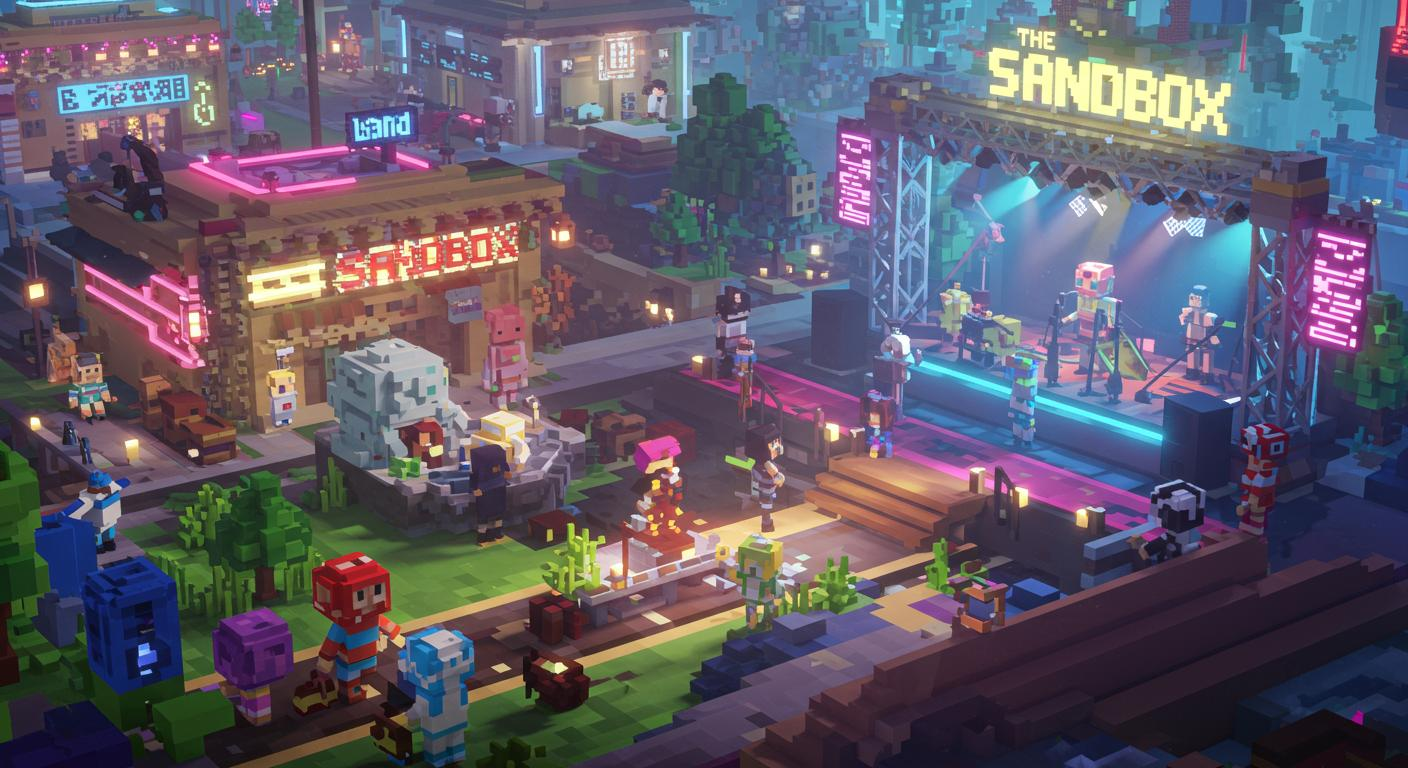
Sandbox is a decentralized virtual world platform where game content, virtual land, and digital assets are unified as NFTs, empowering users with true asset ownership.
The Sandbox ecosystem is primarily built on three pillars: virtual land (LAND), digital assets (ASSET), and interactive experiences (EXPERIENCE). Blockchain technology authenticates these elements, enabling users to participate in games while also owning and trading assets.
Unlike traditional games, Sandbox shifts asset control from the platform to its users. Here, users are both consumers and creators, benefiting directly from their contributions. This approach transforms the virtual world into an open, asset-centered economy.
Technical Architecture and Operation of Sandbox (SAND)
Sandbox’s operation relies on blockchain infrastructure, NFT protocols, and robust content creation tools working in tandem.
Blockchain records asset ownership and transaction history, NFT standards secure asset uniqueness and non-fungibility, and game engines and editing tools enable users to create and interact with content. The marketplace facilitates asset exchanges, letting users buy and sell virtual assets.
Typically, users craft digital assets using creation tools, mint them as NFTs, and then trade or deploy them within games. This process establishes a complete asset lifecycle: creation, verification, circulation, and utilization.
This architecture transforms virtual assets from platform-controlled data to on-chain assets, enhancing liquidity and independence.
The Role and Utility of SAND Tokens
SAND is the Sandbox ecosystem’s core token, functioning as a payment medium, incentive mechanism, and governance tool.
SAND is used to purchase virtual land and NFT assets, and it rewards content creators and users for ecosystem participation. Token holders can also vote on governance decisions, influencing platform direction.
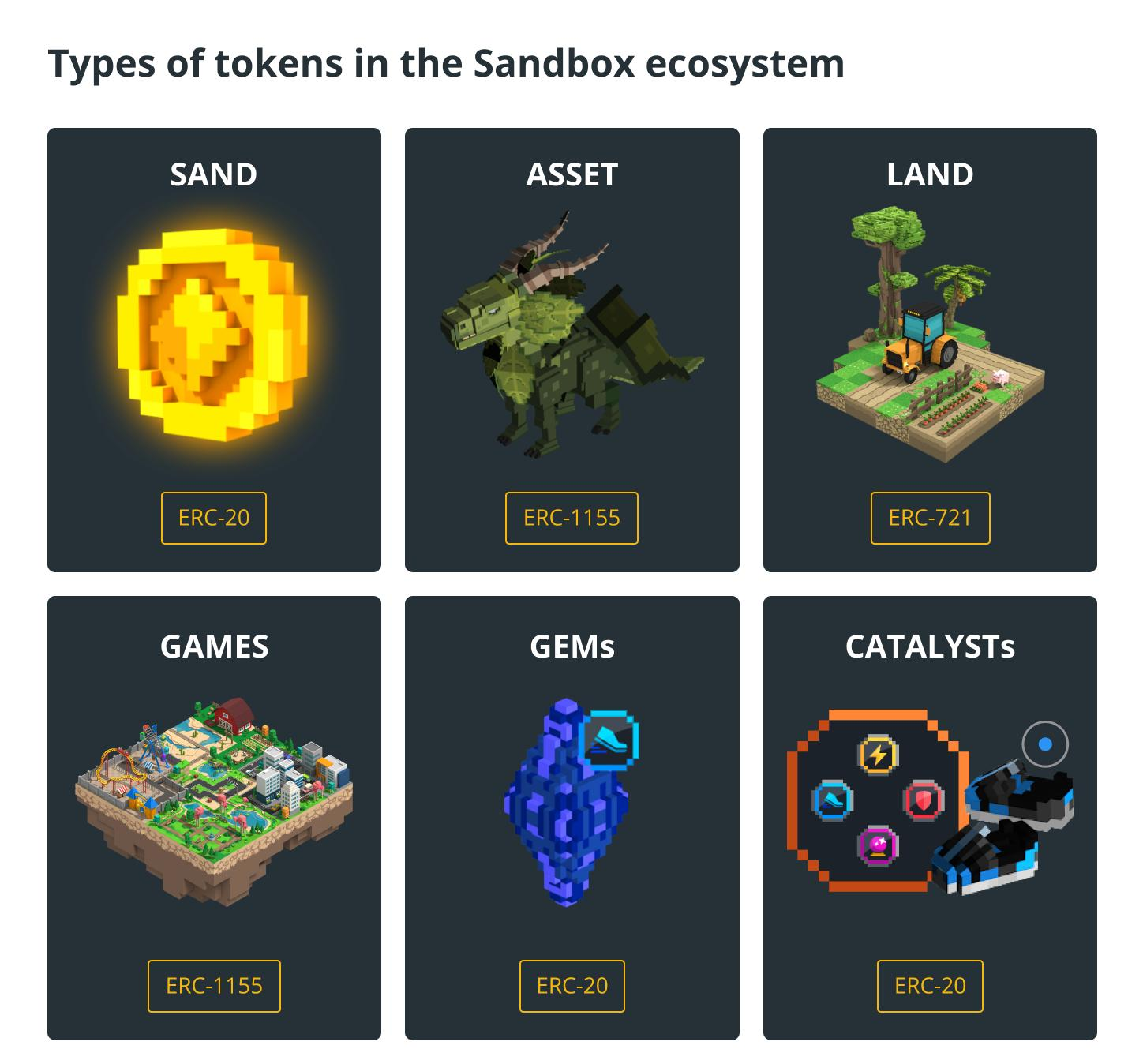
Economically, SAND bridges creators, players, and the platform, enabling quantifiable value exchange. Incentive design encourages ongoing content creation and consumption, fueling ecosystem growth.
How Sandbox Secures Asset Ownership
Sandbox utilizes NFTs and blockchain to establish and secure virtual asset ownership.
Each asset receives a unique identifier via smart contract at creation, with ownership recorded on-chain. Users manage these assets through crypto wallets, achieving true self-custody.
This ownership model brings several benefits: assets can be reused across different applications, freely traded in the marketplace, and are no longer tied to a single platform.
Compared to traditional gaming, this system converts user investment into sustainable digital assets, enhancing the economic potential of the virtual world.
Sandbox’s Key Use Cases and Applications
Sandbox’s use cases focus on content creation and virtual economy.
Users can design interactive experiences with creation tools, attracting others to participate. Virtual real estate lets users buy and develop land to showcase assets or run projects. Brands can leverage Sandbox for virtual displays and engagement, expanding their digital marketing strategy.
Within the ecosystem, creators produce content, players engage and consume, asset holders accumulate value, and brands build scenes for marketing and interaction.
This multi-role collaboration means Sandbox is both a gaming platform and a virtual economic system.
In the metaverse sector, Sandbox stands apart from platforms like Decentraland:
| Comparison Metric |
Sandbox |
Decentraland |
| Content Focus |
Gaming experiences |
Social interaction |
| Creation Tools |
Professional-grade editors |
Limited toolset |
| Visual Style |
Voxel graphics |
Realistic graphics |
| Economic Model |
User-generated content & trading |
Social/display focus |
| Ecosystem Drivers |
Developers & players |
Primarily user interaction |
Sandbox emphasizes gaming and content creation, while Decentraland centers on social and display functionality.
These differences shape distinct user bases, content ecosystems, and development trajectories.
Ecosystem Participants and Value Flow in Sandbox
Sandbox’s ecosystem is driven by various roles, enabled by value flow mechanisms.
Creators develop digital assets for the marketplace; players purchase and use those assets; proceeds return to creators and the platform, forming a continuous cycle.
SAND tokens facilitate settlements, allowing value to move among participants. This system establishes an economy powered by content and centered on trading.
The ecosystem’s growth is fueled by ongoing content creation and user engagement, not by a single central entity.
Advantages and Potential Limitations of Sandbox
Sandbox’s strengths include secure asset ownership, an open ecosystem, and a strong economic model. NFT technology ensures users truly own assets, while open creation tools encourage continual engagement. The token system underpins value exchange.
However, barriers to content creation remain, ecosystem growth relies on constant user and content input, and virtual experiences are constrained by technology and user scale.
These factors collectively influence Sandbox’s expansion speed and stability.
Conclusion
Sandbox leverages blockchain and NFT technology to build a virtual world with asset ownership at its core, creating an open economic system. Its structure covers technical architecture, token mechanisms, asset verification, use cases, and ecosystem participants, all interconnected by value flow. Compared with other metaverse platforms, Sandbox prioritizes gamification and user-generated content, but still faces technological and ecosystem development challenges.
FAQ
What is Sandbox?
Sandbox is a blockchain-based metaverse platform that empowers users to create, own, and trade virtual assets.
What is the purpose of the SAND token?
SAND facilitates transactions, incentivizes user engagement, and supports platform governance.
What is the value of virtual land in Sandbox?
Virtual land is used to build game content, showcase assets, and host virtual events—making it a core ecosystem resource.
How does Sandbox differ from other metaverse platforms?
Sandbox focuses on gamified content and user creation, while other platforms may prioritize social interaction or visual display.
Are assets in Sandbox truly owned by users?
Yes. NFT technology records asset ownership on the blockchain, with direct control via user wallets.