

Trade
Basic
Futures
Futures
Hundreds of contracts settled in USDT or BTC
TradFi
Gold
Trade global traditional assets with USDT in one place
Options
Hot
Trade European-style vanilla options
Unified Account
Maximize your capital efficiency
Demo Trading
Futures Kickoff
Get prepared for your futures trading
Futures Events
Participate in events to win generous rewards
Demo Trading
Use virtual funds to experience risk-free trading
Earn
Launch
CandyDrop
Collect candies to earn airdrops
Launchpool
Quick staking, earn potential new tokens
HODLer Airdrop
Hold GT and get massive airdrops for free
Launchpad
Be early to the next big token project
Alpha Points
Trade on-chain assets and enjoy airdrop rewards!
Futures Points
Earn futures points and claim airdrop rewards
Investment
Simple Earn
Earn interests with idle tokens
Auto-Invest
Auto-invest on a regular basis
Dual Investment
Buy low and sell high to take profits from price fluctuations
Soft Staking
Earn rewards with flexible staking
Crypto Loan
0 Fees
Pledge one crypto to borrow another
Lending Center
One-stop lending hub
VIP Wealth Hub
Customized wealth management empowers your assets growth
Private Wealth Management
Customized asset management to grow your digital assets
Quant Fund
Top asset management team helps you profit without hassle
Staking
Stake cryptos to earn in PoS products
Smart Leverage
New
No forced liquidation before maturity, worry-free leveraged gains
GUSD Minting
Use USDT/USDC to mint GUSD for treasury-level yields

More





How Oil ETF Strategies Shift as Middle East Tensions Escalate
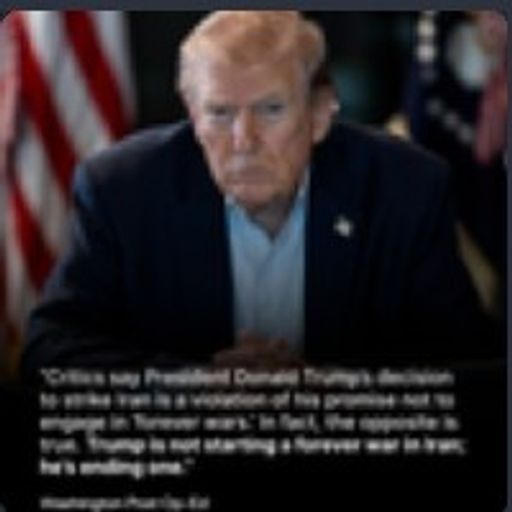
On February 18, 2026, oil markets reacted sharply to worsening geopolitical uncertainty, with crude prices climbing over 4% after U.S. Vice President JD Vance indicated that Iran had not satisfied America’s core negotiating demands. The message sent a clear signal: if diplomatic efforts collapse, military intervention remains on the table. This development immediately rippled through oil etf markets, with the United States Oil Fund LP (USO) jumping 4.9% during the trading session and gaining an additional 0.8% after hours. For investors watching oil etf performance, understanding which sectors benefit and which struggle becomes crucial when geopolitical risks drive price movements.
Diplomacy at an Impasse: Why Oil Supply Fears Are Mounting
The situation unfolded over the course of intense negotiations in Geneva. U.S. envoys Steve Witkoff and Jared Kushner met with Iranian officials, and initially the atmosphere appeared constructive—Iran’s Foreign Minister Abbas Araghchi described the talks positively, which initially calmed markets and pushed oil prices lower. However, when Vance subsequently stated that Tehran had failed to address America’s “red lines,” sentiment reversed swiftly. Markets reinterpreted the situation as a genuine risk of escalation rather than resolution.
Adding to the pressure: Iran conducted military maneuvers in the Strait of Hormuz, a narrow waterway through which approximately one-third of all global seaborne crude exports transit, according to energy consulting firm Kpler. This chokepoint represents one of the world’s most critical shipping corridors for oil. Simultaneously, the United States reinforced its military footprint in the Middle East by deploying additional carrier strike groups, signaling it is prepared for potential conflict if negotiations break down. These competing military postures have made supply disruptions a tangible concern for energy markets.
Energy ETF Investments Poised for Gains in Rising Oil Environment
When oil prices climb on supply anxieties, certain investment vehicles capitalize on the trend. The SPDR S&P Oil & Gas Exploration & Production ETF (XOP) stands as the most direct beneficiary. As oil becomes more valuable, exploration and production companies typically accelerate drilling operations to maximize output and profits. Their stock valuations rise accordingly, making this oil etf a clear performer in such scenarios.
Geographic diversification also matters. Norway, home to some of Western Europe’s largest oil reserves and export operations, sees its economy substantially influenced by energy prices given its modest population and oil-dependent GDP. The iShares MSCI Norway ETF (ENOR) provides exposure to this dynamic. When crude prices surge globally, Norwegian energy producers and the broader economy benefit, lifting the etf alongside oil prices.
Which ETF Sectors Face Headwinds From Rising Oil Costs
Not all investments flourish when oil rallies. Retail companies, measured by the SPDR S&P Retail ETF (XRT), typically contract in a high-energy-price environment. Elevated fuel costs squeeze consumer purchasing power, dampening overall spending on discretionary goods. This effect compounds as broader inflation pressures mount alongside energy prices.
India presents another vulnerability. The country imports nearly all its oil to meet domestic demand, making it acutely sensitive to crude price swings. The iShares India 50 ETF (INDY) faces headwinds when oil climbs, as higher energy imports strain both corporate profitability and government finances. Similarly, the airline sector relies heavily on jet fuel as a core operating cost. The U.S. Global Jets ETF (JETS) underperforms during oil rallies, since carriers struggle with compressed margins when fuel expenses rise.
Investment Takeaway for Oil ETF Positioning
The current geopolitical landscape illustrates why oil etf selection matters beyond simple price speculation. Understanding the transmission mechanisms—how rising oil costs flow through different economic sectors—allows investors to construct more resilient portfolios. Whether through direct energy exposure via XOP, geographic plays like ENOR, or anticipating headwinds in retail and airlines, the oil etf universe offers multiple levers for tactical positioning as supply risks reshape market expectations.