

Trade
Basic
Futures
Futures
Hundreds of contracts settled in USDT or BTC
TradFi
Gold
Trade global traditional assets with USDT in one place
Options
Hot
Trade European-style vanilla options
Unified Account
Maximize your capital efficiency
Demo Trading
Futures Kickoff
Get prepared for your futures trading
Futures Events
Participate in events to win generous rewards
Demo Trading
Use virtual funds to experience risk-free trading
Earn
Launch
CandyDrop
Collect candies to earn airdrops
Launchpool
Quick staking, earn potential new tokens
HODLer Airdrop
Hold GT and get massive airdrops for free
Launchpad
Be early to the next big token project
Alpha Points
Trade on-chain assets and enjoy airdrop rewards!
Futures Points
Earn futures points and claim airdrop rewards
Investment
Simple Earn
Earn interests with idle tokens
Auto-Invest
Auto-invest on a regular basis
Dual Investment
Buy low and sell high to take profits from price fluctuations
Soft Staking
Earn rewards with flexible staking
Crypto Loan
0 Fees
Pledge one crypto to borrow another
Lending Center
One-stop lending hub
VIP Wealth Hub
Customized wealth management empowers your assets growth
Private Wealth Management
Customized asset management to grow your digital assets
Quant Fund
Top asset management team helps you profit without hassle
Staking
Stake cryptos to earn in PoS products
Smart Leverage
New
No forced liquidation before maturity, worry-free leveraged gains
GUSD Minting
Use USDT/USDC to mint GUSD for treasury-level yields

More


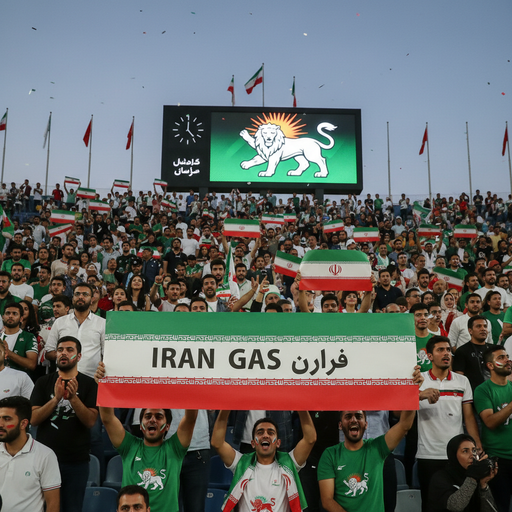



#USIranTensionsImpactMarkets: Understanding the Ripple Effect
Rising tensions between the United States and Iran are not just a headline—they have far-reaching implications for global markets. Geopolitical conflicts often trigger uncertainty, which markets hate, and investors react quickly to perceived risks. Here’s a breakdown of how these tensions impact different sectors:
1. Oil and Energy Markets
Iran is a key player in global oil supply, and any conflict or threat of sanctions can disrupt supply chains.
Oil Prices: Historically, tensions in the Middle East push crude prices higher due to fears of supply shortages.
Natural Gas & Energy Stocks: Energy companies often see volatility, with some benefiting from higher commodity prices.
2. Stock Markets
Global equities are highly sensitive to geopolitical risk.
US & European Markets: Stock indices may experience sharp declines as investors seek safer assets.
Emerging Markets: Countries closely tied to oil exports or Middle Eastern trade may see increased volatility.
3. Safe-Haven Assets
In times of geopolitical uncertainty, investors tend to flock to safer assets:
Gold & Silver: Traditionally surge during crises as a hedge against inflation and instability.
US Dollar & Government Bonds: Demand rises for stable currencies and debt instruments.
4. Trade and Supply Chains
Tensions can affect global trade flows:
Shipping routes in the Persian Gulf may face disruptions.
Companies relying on Middle Eastern oil or imports might experience cost spikes and delays.
5. Investor Sentiment
Markets are driven by perception as much as reality. Even minor escalations can trigger:
Short-term market corrections.
Increased volatility in commodities, equities, and currencies.
Risk-off behavior among investors seeking security over growth.
Conclusion:
While the direct impact depends on the severity and duration of tensions, history shows that geopolitical conflicts like US-Iran disputes lead to higher market volatility, rising commodity prices, and a shift toward safe-haven assets. Investors and traders should stay informed, diversify portfolios, and monitor both geopolitical news and economic indicators closely.