#亚太股市暴跌触发熔断 Panic spreads! Asia-Pacific stock markets halt trading as circuit breakers trigger, global energy channels face shutdowns
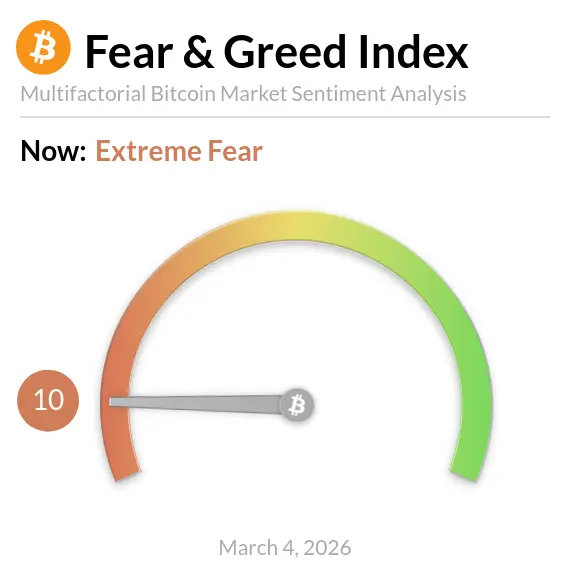
Recently, the escalation of tensions in the Middle East has triggered a chain reaction in global markets. Asia-Pacific stock markets experienced a “Black Wednesday,” the Strait of Hormuz shipping nearly came to a halt, and market panic intensified amid multiple risks.
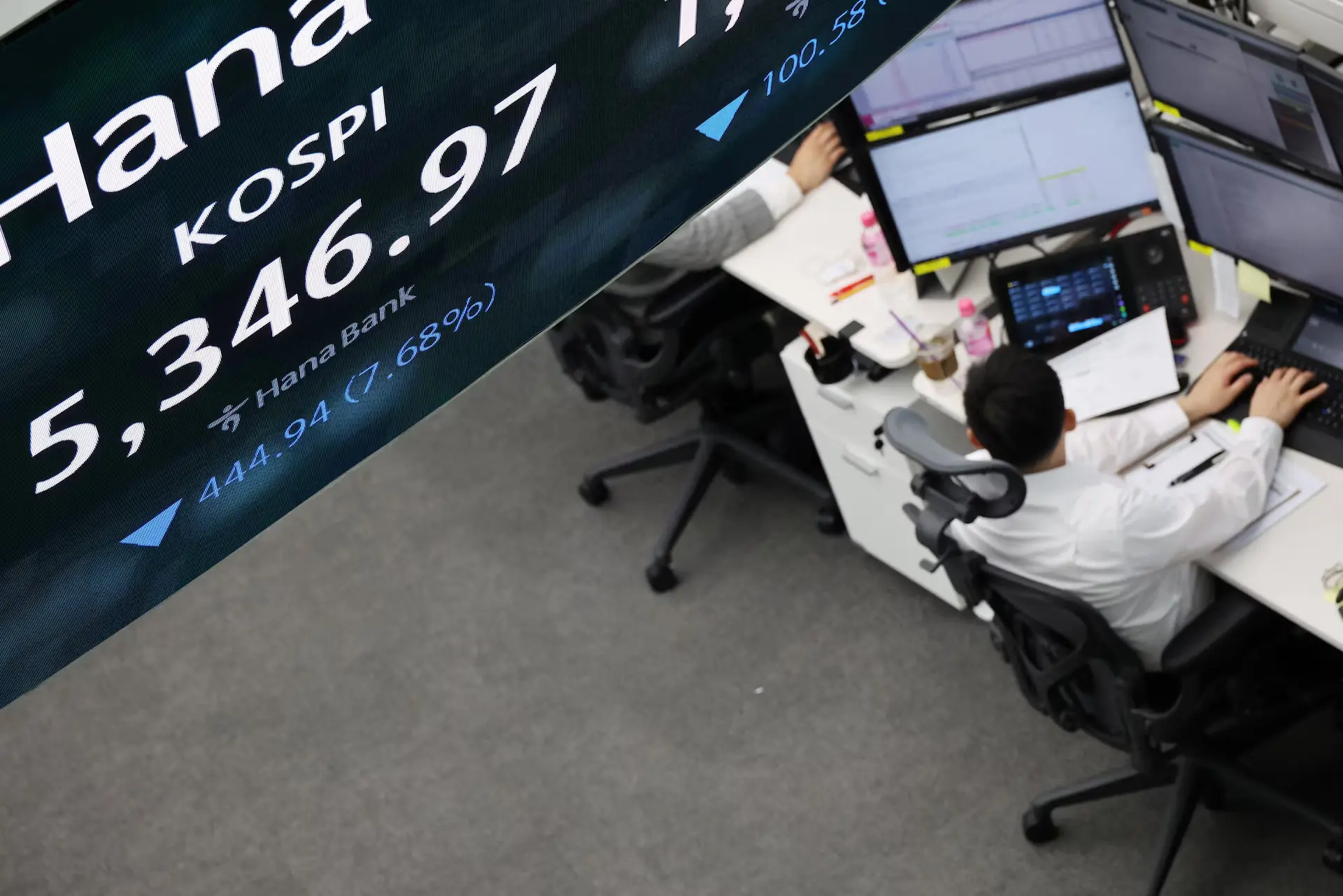
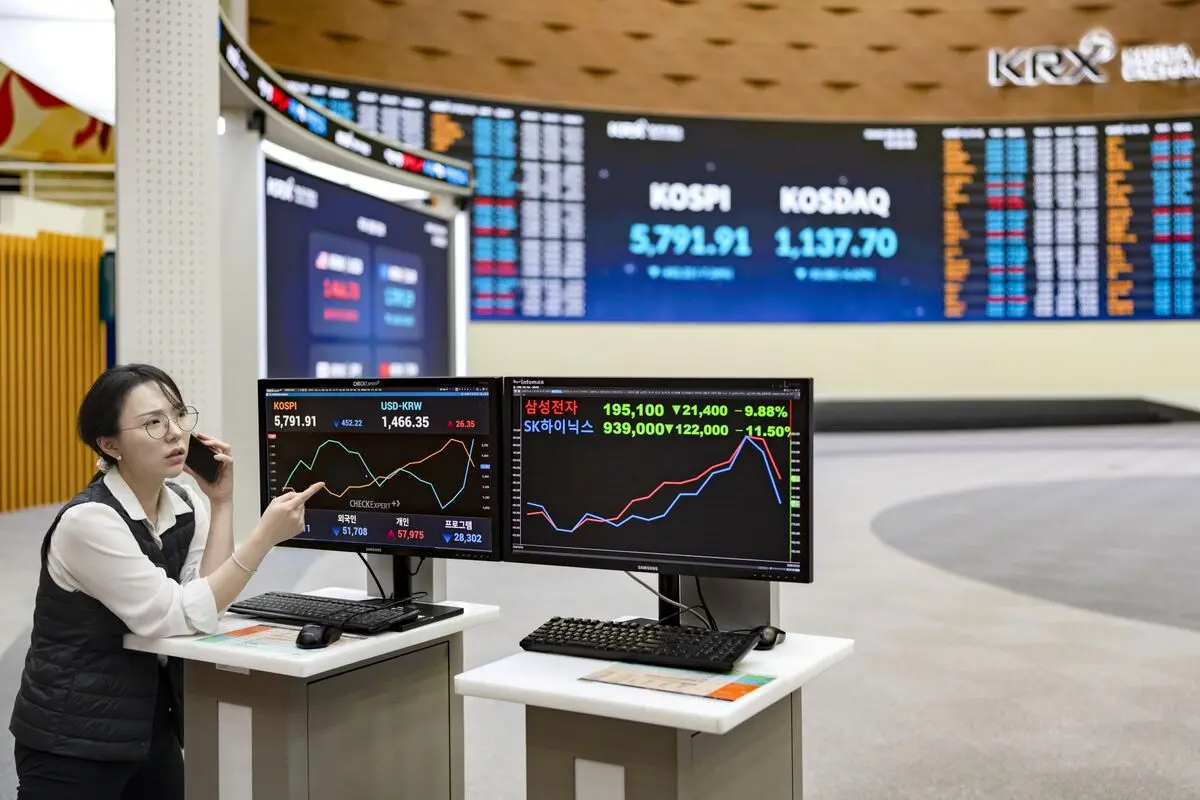
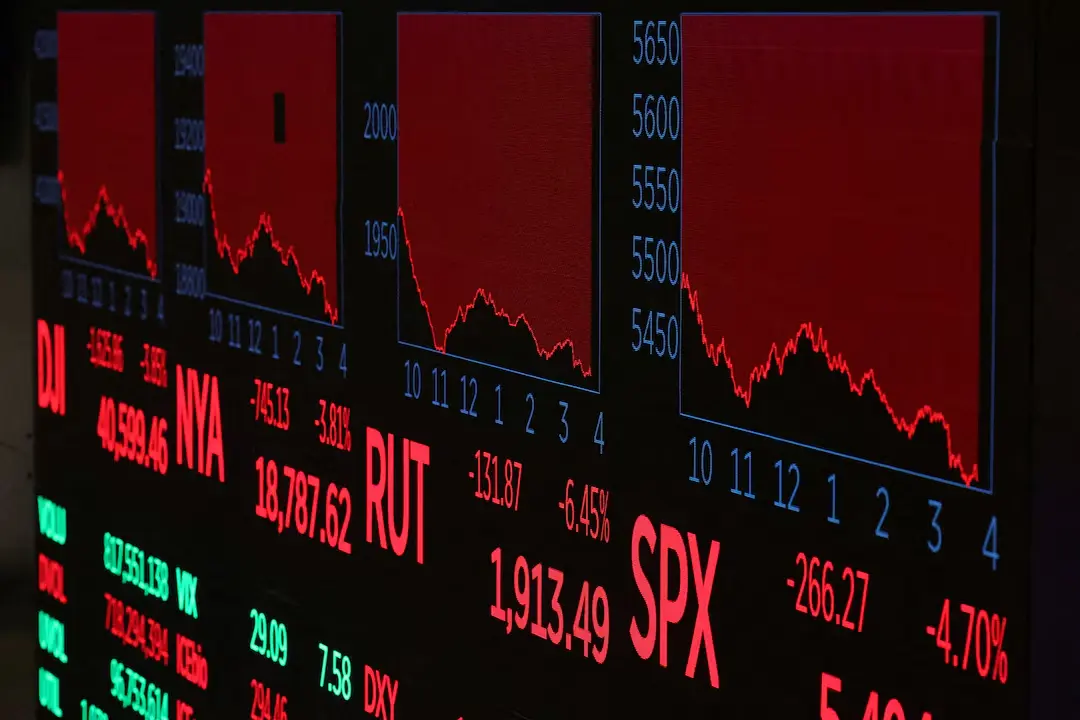
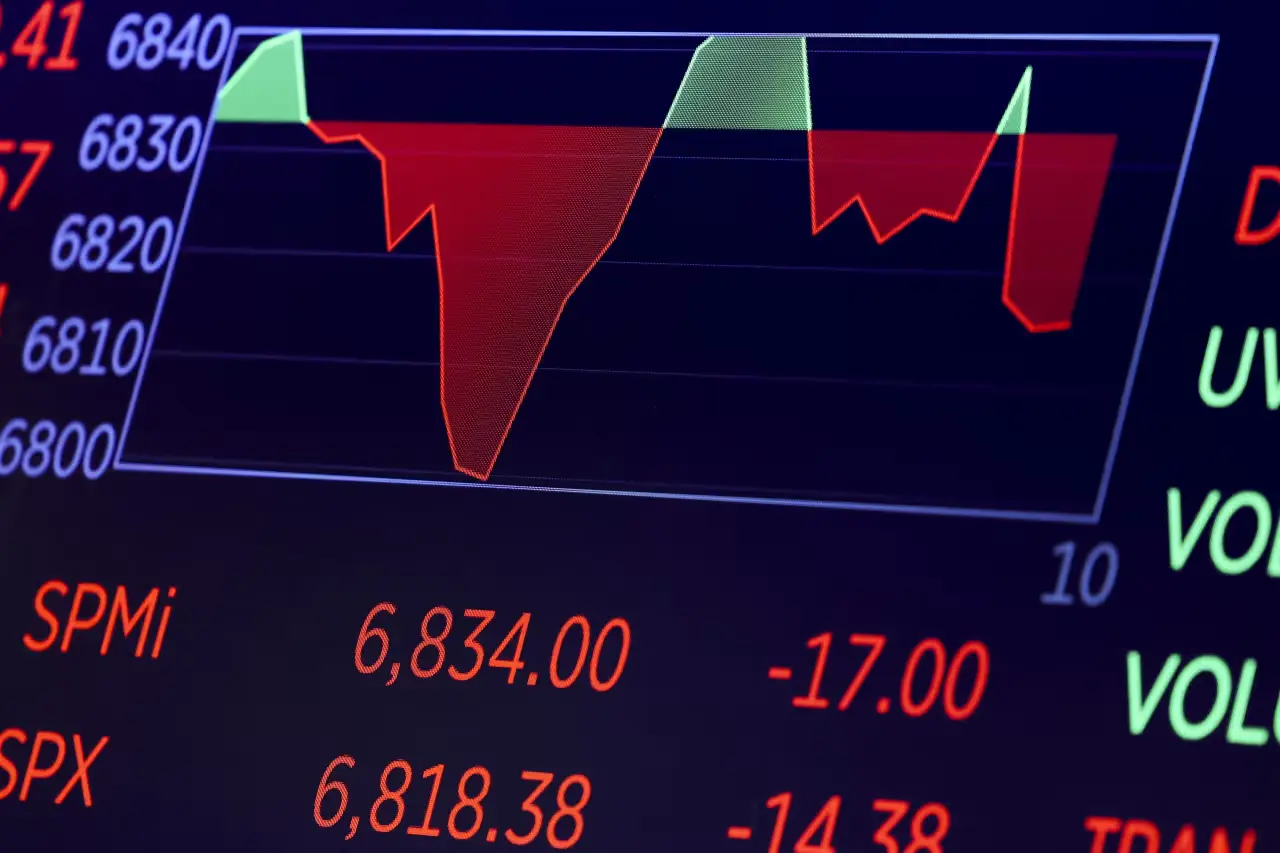
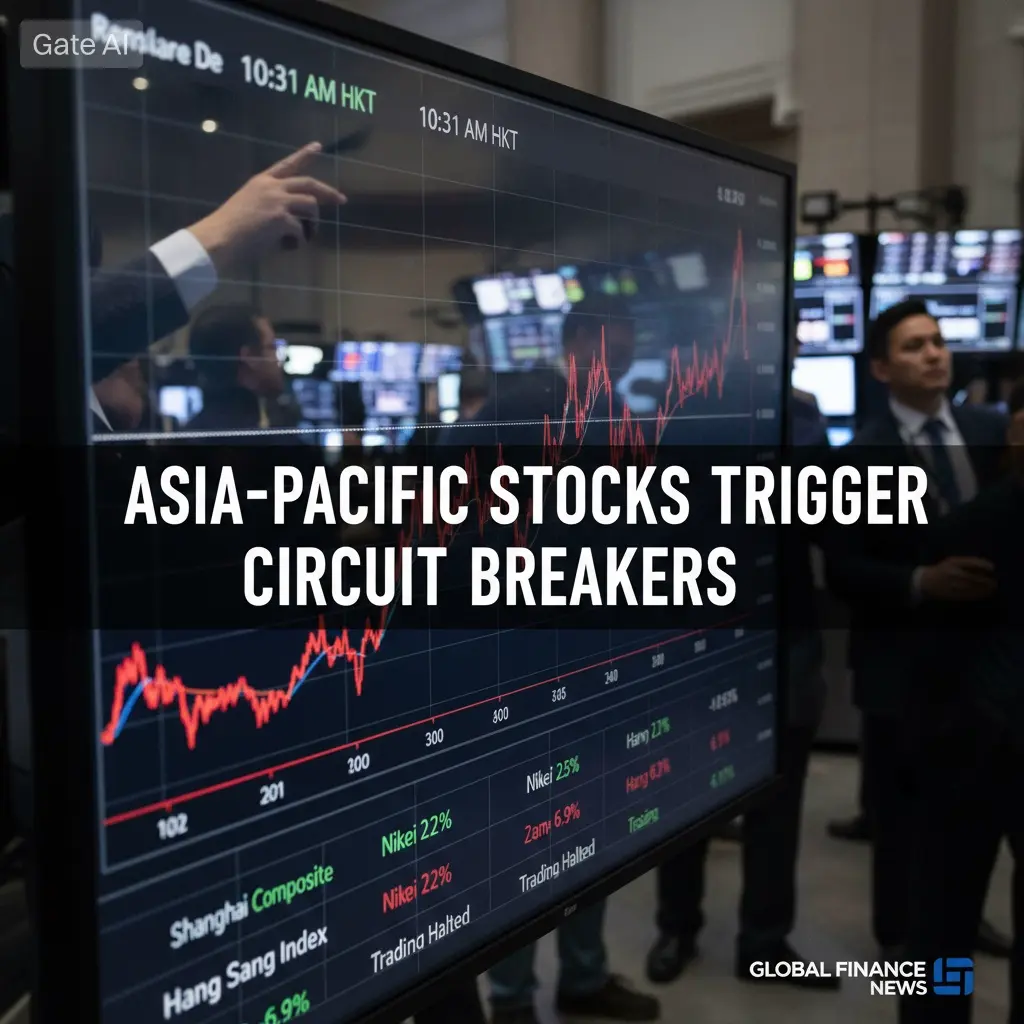
On March 4, Asia-Pacific stock markets collectively plummeted. The Korea Composite Index opened sharply lower, triggering circuit breakers twice within just a few hours, with a total suspension time exceeding 25 minutes. After trading resumed, the decline widened to nearly 13%, with a two-day total drop of almost 20%, marking the largest consecutive decline in recent years. Foreign net selling hit a record high in a single day. The Thai SET Index followed closely, plunging over 4% and triggering an emergency halt. Futures and options on stock indices and single stock futures trading were also suspended simultaneously. Additionally, the Nikkei 225 index fell over 4%, and the MSCI Asia Pacific Index dropped 2%, leaving Asia-Pacific capital markets in a state of alarm.
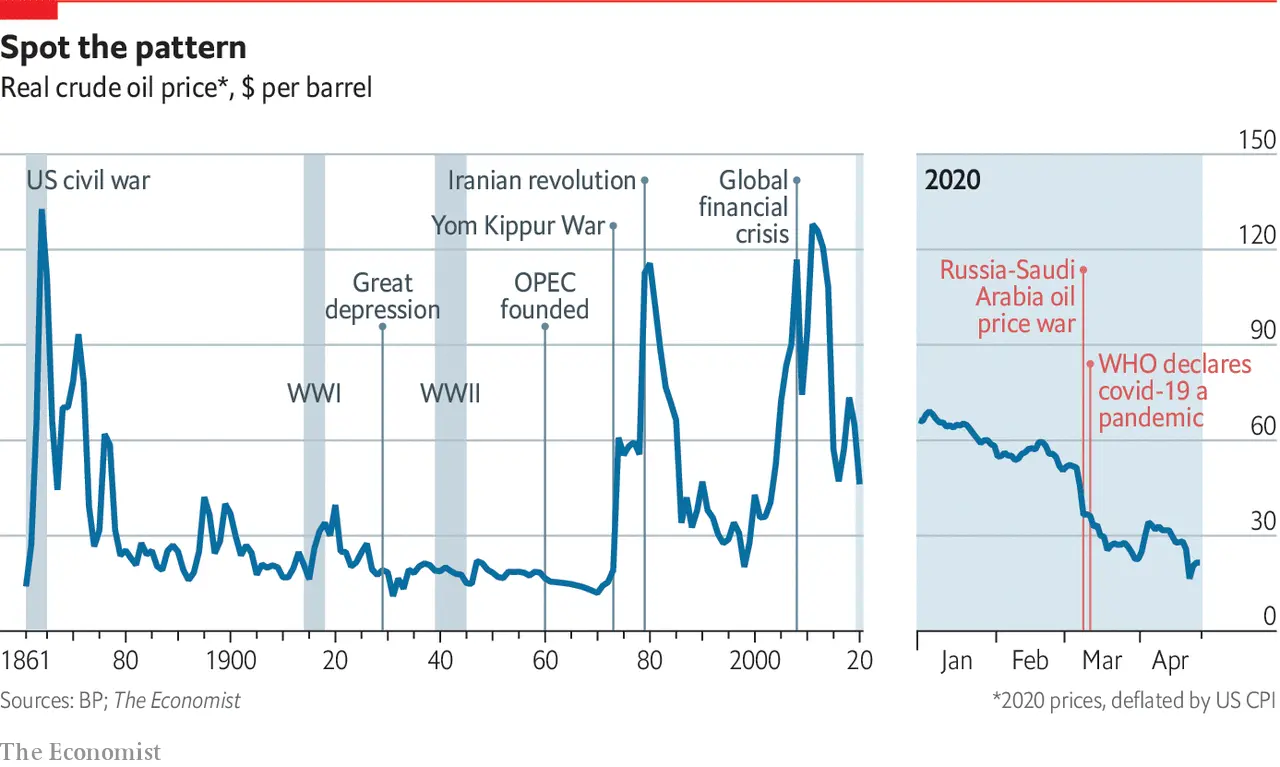
The core trigger for the market turmoil is the shipping crisis in the Strait of Hormuz. As the “lifeline” providing about one-fifth of global oil and gas supplies, over 150 oil tankers are currently stranded outside the strait, with shipowners and insurers refusing passage due to the risk of conflict. Data shows that on March 3, only one oil tanker successfully transited, a drop of over 95% compared to normal levels, effectively causing a shutdown of the strait.
As a result, Brent crude oil prices surged rapidly, and domestic crude oil futures contracts also hit record highs. To ease transportation pressure, Saudi Aramco is planning to transfer more oil to the Red Sea port of Yanbu and is inquiring whether Asian clients accept changes in pickup locations. This crisis has also heightened concerns over global supply chains.
Surveys indicate that more than half of companies consider geopolitical-induced supply chain paralysis as the top “black swan” risk for the next five years. Meanwhile, the Middle East conflict has led to a halt in Dubai’s air transportation. As a hub responsible for 20% of global gold circulation, the precious metals supply chain has also been severely disrupted, potentially further increasing volatility.
However, the market has not fallen into full panic. Factors such as decreased oil dependency in developed countries, the U.S. releasing strategic reserves, and traders’ emergency experience have played a buffering role. Institutions warn that short-term market volatility will continue, and close attention should be paid to the recovery of Strait shipping and evolving situations, with vigilance against further risk spread.




 :
:




 :
: