


Futures
Access hundreds of perpetual contracts
TradFi
Gold
One platform for global traditional assets
Options
Hot
Trade European-style vanilla options
Unified Account
Maximize your capital efficiency
Demo Trading
Introduction to Futures Trading
Learn the basics of futures trading
Futures Events
Join events to earn rewards
Demo Trading
Use virtual funds to practice risk-free trading
Launch
CandyDrop
Collect candies to earn airdrops
Launchpool
Quick staking, earn potential new tokens
HODLer Airdrop
Hold GT and get massive airdrops for free
Launchpad
Be early to the next big token project
Alpha Points
Trade on-chain assets and earn airdrops
Futures Points
Earn futures points and claim airdrop rewards


More

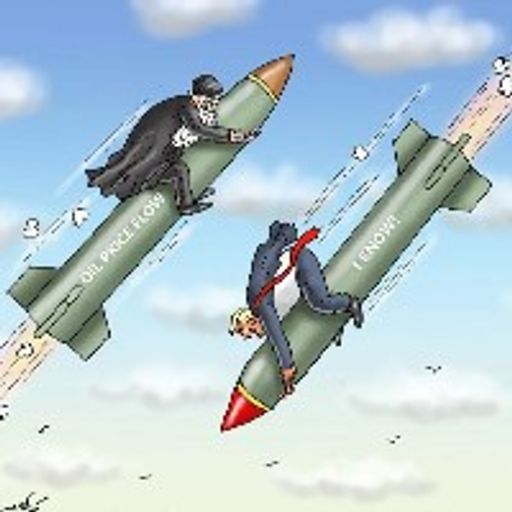




War Won't Disrupt the U.S. Stock Market's Long Bull, Short Bear Trend
Give yourself and everyone else some psychological reassurance:
Based on U.S. stock market data from 1940-2026, here's how the S&P 500 has performed after major geopolitical shocks:
1 month: Average -0.9%, Median -0.2%, Upside probability 46%
3 months: Average +0.8%, Median +2.7%, Upside probability 66%
6 months: Average +3.4%, Median +5.3%, Upside probability 61%
1 year: Average +3.0%, Median +7.4%, Upside probability 65%
The key finding is that geopolitical events (wars/assassinations/terrorist attacks/conflicts escalation)—such as the Cuban Missile Crisis/1967 Six-Day War/2003 Iraq War/Russia-Ukraine conflict—won't fundamentally alter a bear market in stocks. Only "systemic financial risks" can interrupt a long-term bull market in U.S. equities.
Examples include the 1973 oil embargo (preceded by the 1973 Yom Kippur War) and the 2008 financial crisis, where U.S. stocks declined more than 30%.
After 9/11, U.S. stocks pulled back 18%, but most attribute this mainly to the aftermath of the 2000 dot-com bubble burst. The post-9/11 reconstruction efforts actually supported economic growth.
Also note: this table only includes geopolitical conflict events and excludes other factors (like the COVID-19 pandemic). The table only shows price changes at expiration and doesn't account for maximum intra-period declines. For example, during the 2007/2008 financial crisis, the chart shows a 41% decline one year later, but the S&P's actual trough was -46% and the Nasdaq -45%.
Therefore, a 10% pullback in the U.S. stock market around this year's midterm elections would be about right. As for deeper declines, we don't see them coming yet. #Gate2月衍生品市场份额创新高