Cross-Chain Token Transfer: Solana and Ethereum Bridge Guide
How to Bridge to Solana
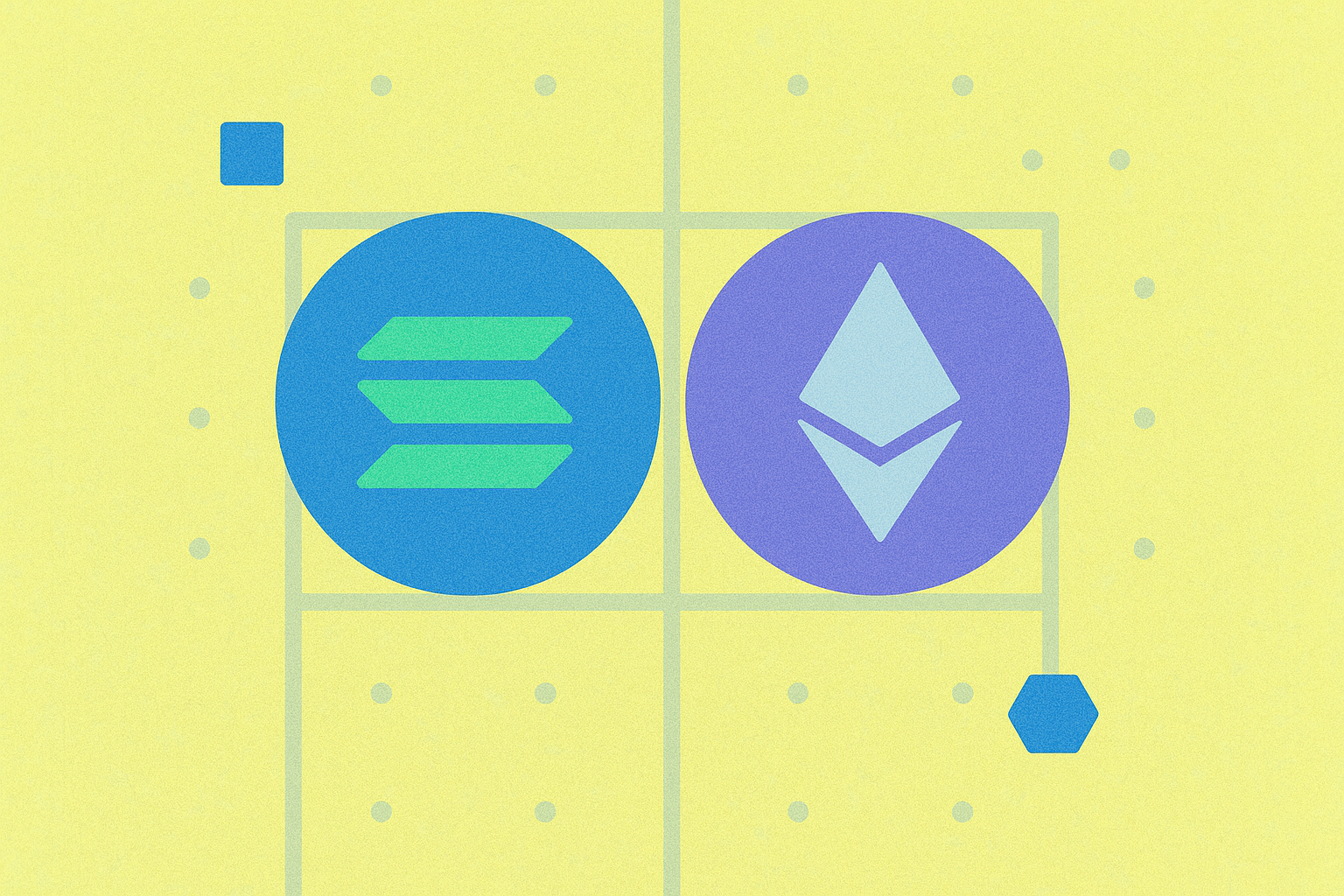
Solana has emerged as one of the most prominent blockchain platforms, offering exceptional performance capabilities and rapid transaction processing. The network utilizes an innovative combination of Proof of History (PoH) and Proof of Stake (PoS) consensus mechanisms, achieving a theoretical capacity of 710,000 transactions per second. This high-performance infrastructure has fostered a vibrant ecosystem of decentralized finance (DeFi) applications and NFT marketplaces. However, blockchains like Ethereum and Solana operate as isolated networks, unable to communicate directly with each other. This limitation has led to the development of blockchain bridges—specialized tools that enable seamless asset transfers across different chains, promoting cross-chain compatibility and expanding the utility of digital assets.
Preparing for Bridging: Wallet and Asset Selection
The foundation of successful cross-chain bridging begins with proper preparation, specifically choosing the right wallet and selecting compatible assets. When selecting a wallet for bridging operations between Ethereum and Solana, it's essential to choose one that supports multiple blockchain networks. A quality Web3 wallet exemplifies an ideal solution, as it provides comprehensive support for both Ethereum and Solana within a single interface, eliminating the need for multiple wallet applications. This multi-chain capability, combined with bank-grade security features and built-in access to hundreds of DApps, makes it particularly suitable for bridge Solana operations. To locate your Solana address within your Web3 wallet, simply select the network icon in the top-right corner and switch to the Solana network.
Asset selection requires careful consideration of compatibility across chains. Before initiating any transfer to bridge Ethereum assets, verify that your chosen asset is supported on both the source and destination blockchains. For instance, when bridging USDT from Ethereum to Solana, confirming that USDT exists on both networks is crucial. Most bridge platforms will display available assets, making verification straightforward. Additionally, maintaining a small balance of the destination chain's native token (such as SOL for Solana) is essential for conducting transactions once your assets arrive, even though it's not required for the bridging process itself.
Exploring Bridge Services
The cryptocurrency ecosystem offers two primary categories of bridge services for Ethereum and Solana transfers: decentralized and centralized options, each with distinct advantages. Decentralized bridge services operate through smart contracts and aggregate prices from various sources to provide optimal routing. These platforms minimize slippage and reduce network costs by automatically selecting the most efficient path for your transaction when you bridge Solana assets. These platforms offer transparency and maintain the decentralized ethos of cryptocurrency, though they may involve higher fees and require more technical knowledge.
Centralized bridge services provide an alternative approach through established cryptocurrency trading platforms. Major platforms offer a streamlined process: users deposit assets on one blockchain and withdraw them on another, with the platform handling the technical bridging process. This method typically involves creating an account, depositing your assets (such as USDT on Ethereum), waiting for confirmation, and then withdrawing to your destination blockchain address (Solana). The centralized approach eliminates concerns about slippage and complex network fees, offering a more user-friendly experience, particularly for those new to cross-chain transfers and learning how to bridge Ethereum to Solana.
Bridging Process: A Step-by-Step Guide
Executing a successful bridge transaction requires following a systematic process, beginning with connecting your wallet to the bridge service. When using a bridge platform with your Web3 wallet, start by navigating to the bridge platform and selecting "Connect wallet" in the top-right corner. Choose your wallet type (wallet extension or alternatives), then enter your wallet password to authorize the connection. This establishes a secure link between your wallet and the bridge platform for your Ethereum Solana transfer.
Once connected, transferring assets involves configuring several parameters. First, specify your source chain (Ethereum) and the amount of assets you wish to bridge. Then select your destination chain (Solana) and the corresponding token. The system will display the exact amount you'll receive after accounting for fees. Since Ethereum and Solana use different address formats, you'll need to provide your Solana wallet address—easily accessible within your Web3 wallet by switching networks. Advanced users can adjust optional parameters like network fees, slippage tolerance (the acceptable price variation during the transaction), and manually select specific bridge routes. Finally, confirm the transaction through your wallet, and the bridge platform will handle the cross-chain transfer. The process works equally well in reverse, allowing Solana to Ethereum transfers by simply reversing the chain selection, making it flexible to bridge Solana assets in either direction.
Understanding Fees and Timelines
Bridging cryptocurrencies between Ethereum and Solana involves multiple fee components that users should understand before initiating transfers. The primary fees include: Ethereum gas fees for initiating the transaction from your wallet; bridge fees charged by the bridging service for facilitating the cross-chain transfer; Solana transaction fees for receiving the assets on the destination chain; and conversion fees if exchanging between different cryptocurrencies during the bridge process. While bridge platforms display bridge and conversion fees upfront, Ethereum gas fees only become visible during the wallet confirmation step. These fees can vary significantly based on network congestion and the complexity of the transaction.
Transaction timelines depend on several sequential processes when you bridge Ethereum to Solana. Initially, the Ethereum network must confirm your transaction, typically taking several minutes depending on the gas fee paid—higher fees result in faster confirmation. Next, the bridge service processes the cross-chain transfer, with durations varying by platform and visible in the bridge's advanced options. Finally, the Solana blockchain confirms receipt of your assets, usually completing within seconds due to Solana's high-speed processing capabilities. Total transaction times typically range from a few minutes to around half an hour, though network congestion can extend these periods.
Security Measures and Best Practices
Maintaining security during bridge transactions requires vigilance and adherence to established best practices. When interacting with bridge smart contracts for Ethereum Solana transfers, remember that you're granting these contracts access to your wallet, creating potential security vulnerabilities. Only use reputable, well-established bridge platforms that have demonstrated long-term reliability and security. Implement a separation strategy by maintaining distinct wallets—use one for bridging and DApp interactions, while keeping your primary assets in a separate cold wallet for long-term storage. After completing bridge transactions, utilize revoke tools to remove smart contract access to your wallet, limiting ongoing exposure to potential vulnerabilities.
Avoiding common pitfalls requires careful attention to detail and timing when you bridge Solana assets. Always meticulously review all transaction fields before final approval, as blockchain transactions are irreversible once confirmed. Monitor Ethereum gas fees, which can spike during periods of high network activity—consider waiting for lower fee periods or using centralized platforms for bridging during expensive periods. Be aware of slippage and liquidity concerns, particularly when bridging lesser-known tokens or using less-established bridges. High slippage can result in receiving significantly less than expected, so restrict bridge usage to assets with substantial trading volume and liquidity. Additionally, verify cross-chain compatibility and ensure sufficient liquidity exists for your chosen asset on the destination blockchain before initiating any transfer between Ethereum and Solana.
Troubleshooting and Support
Despite careful preparation, users may occasionally encounter issues during the bridging process between Ethereum and Solana. Common problems include stuck transactions, which typically occur due to insufficient gas fees or high network congestion. If you've provided adequate gas, transactions will eventually complete, though they may require patience during peak usage periods. Insufficient gas results in transaction failure with funds returning to your wallet. In cases where transactions appear stuck on the bridge itself, these platforms are designed with failsafe mechanisms to resolve such situations automatically—remaining patient and allowing time for resolution is usually the appropriate response. Cross-chain compatibility issues can arise when attempting to bridge assets with insufficient liquidity or to blockchains that don't support the specific token, emphasizing the importance of pre-transfer verification.
When problems persist during your bridge Solana operations, multiple support resources are available within the cryptocurrency community. For issues related to bridge platforms or trading services, consult official support pages, which maintain comprehensive FAQs addressing common problems. If your specific issue isn't covered, direct chat support with platform teams provides personalized assistance. Reputable cryptocurrency platforms typically maintain robust support systems, but users must exercise caution—always use official support channels to avoid fraudulent links or impersonation scams. The broader cryptocurrency community also offers valuable assistance through official forums, social media channels, and documentation resources. However, maintain security awareness by never sharing private keys or seed phrases, even when seeking help, and verify the authenticity of any support resource before engaging.
Conclusion
Bridging assets to Solana represents a crucial capability for users seeking to leverage the network's high-performance infrastructure and thriving DApp ecosystem. Success requires understanding the fundamental preparation steps, including selecting appropriate multi-chain wallets and verifying asset compatibility across blockchains when you bridge Ethereum and Solana. Both decentralized bridges and centralized platform-based solutions offer viable pathways for Ethereum Solana transfers, each with distinct advantages—decentralized options provide transparency and direct blockchain interaction, while centralized solutions offer simplified user experiences with reduced complexity. The bridging process itself, while straightforward, demands attention to detail in configuring parameters, understanding fee structures, and anticipating transaction timelines. Security must remain paramount throughout, necessitating use of reputable platforms, wallet separation strategies, and diligent verification of all transaction details. By following established best practices, avoiding common pitfalls, and utilizing available support resources when needed, users can safely and efficiently bridge Solana assets, unlocking access to one of blockchain technology's most advanced ecosystems for seamless Ethereum and Solana interoperability.
FAQ
How to bridge between Solana and Ethereum?
Use a cross-chain bridge like Portal Bridge. Select the asset, initiate the transfer, and the bridge locks it on Solana while minting equivalent tokens on Ethereum.
What is the best bridge for Solana to ETH?
The best bridge for Solana to ETH is Portal Bridge (Wormhole). It offers efficient transfers with minimal fees and is widely recommended in the crypto community.
How long does it take to bridge Sol to ETH?
Bridging SOL to ETH typically takes 10-30 minutes. The exact time can vary based on network congestion and the specific bridge used.
Can you transfer Solana to Ethereum?
Yes, you can transfer Solana to Ethereum using cross-chain bridge services. These bridges allow for seamless conversion between the two blockchains, enabling asset transfers.
Share
Content
How to Buy Cryptocurrency


Trending Cryptocurrencies



XZXX: A Comprehensive Guide to the BRC-20 Meme Token in 2025

Bitcoin Fear and Greed Index: Market Sentiment Analysis for 2025

Top Crypto ETFs to Watch in 2025: Navigating the Digital Asset Boom

5 ways to get Bitcoin for free in 2025: Newbie Guide
Bitcoin Market Cap in 2025: Analysis and Trends for Investors
2025 Bitcoin Price Prediction: Trump's Tariffs' Impact on BTC
Xenea Daily Quiz Answer December 14, 2025

Beginner's Guide to Understanding Crypto Terminology

Understanding Soulbound Tokens: A New Frontier in NFTs

Understanding Tendermint's Consensus Mechanism in Blockchain Technology

How to Purchase and Manage Ethereum Name Service Domains