Trade
Basic
Futures
Futures
Hundreds of contracts settled in USDT or BTC
TradFi
Gold
Trade global traditional assets with USDT in one place
Options
Hot
Trade European-style vanilla options
Unified Account
Maximize your capital efficiency
Demo Trading
Futures Kickoff
Get prepared for your futures trading
Futures Events
Participate in events to win generous rewards
Demo Trading
Use virtual funds to experience risk-free trading
Earn
Launch
CandyDrop
Collect candies to earn airdrops
Launchpool
Quick staking, earn potential new tokens
HODLer Airdrop
Hold GT and get massive airdrops for free
Launchpad
Be early to the next big token project
Alpha Points
Trade on-chain assets and enjoy airdrop rewards!
Futures Points
Earn futures points and claim airdrop rewards
Investment
Simple Earn
Earn interests with idle tokens
Auto-Invest
Auto-invest on a regular basis
Dual Investment
Buy low and sell high to take profits from price fluctuations
Soft Staking
Earn rewards with flexible staking
Crypto Loan
0 Fees
Pledge one crypto to borrow another
Lending Center
One-stop lending hub
VIP Wealth Hub
Customized wealth management empowers your assets growth
Private Wealth Management
Customized asset management to grow your digital assets
Quant Fund
Top asset management team helps you profit without hassle
Staking
Stake cryptos to earn in PoS products
Smart Leverage
New
No forced liquidation before maturity, worry-free leveraged gains
GUSD Minting
Use USDT/USDC to mint GUSD for treasury-level yields

More


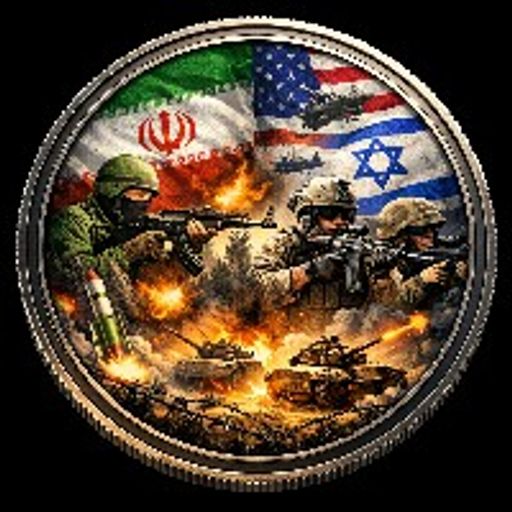



Oil tankers avoid Hormuz Strait after US, Israel strikes on Iran
Oil and gas tankers are increasingly avoiding the Strait of Hormuz following US and Israeli strikes on Iran, with several vessels turning back or delaying entry into the critical waterway.
According to Bloomberg, shipowners have adopted a cautious approach amid rising tensions and reports of a radio broadcast allegedly from the Iranian navy banning transit through the strait.
The development marks the first clear sign of disruption to global commodity flows after the attacks, raising concerns about energy supply and market stability.
MoreStories
Adelabu orders IBEDC to fast-track rollout of 59,000 free prepaid meters
March 1, 2026
FAAN announces flight cancellations, delays to Middle East destinations over airspace closures
March 1, 2026
What they are saying
The United States earlier warned vessels operating in the Middle East to remain 30 nautical miles away from its military assets in the region.
Tracking data also shows some tankers reversing course, while at least one shipowner opted not to send its vessel into the strait following the broadcast.
Despite the reported warnings, some ships continue to transit the strait, with seven vessels seen exiting Hormuz and six entering after the advisories were issued, according to Bloomberg’s vessel-tracking data.
**Backstory **
The United States and Israel launched a wave of strikes against targets in multiple Iranian cities on Saturday, triggering explosions and plumes of smoke in Tehran. The Israeli government described the move as a pre-emptive action, while US President Donald Trump confirmed that major combat operations had begun.
The strikes followed mounting tensions over Iran’s nuclear and missile programmes, with President Trump previously expressing frustration at Tehran’s stance in negotiations.
**Get up to speed **
The Strait of Hormuz is one of the world’s most strategic oil chokepoints, handling roughly a fifth of global seaborne oil and liquefied natural gas shipments daily. The narrow waterway links the Persian Gulf to international markets, making it highly sensitive during periods of geopolitical tension involving Iran.
Some shipowners interpreted the US advisory as effectively closing the waterway.
Traffic had already slowed significantly after the attacks, underscoring the vulnerability of global energy supply chains to geopolitical shocks in the region.
**More Insights **
Oil futures markets are closed on Saturday and Sunday, limiting immediate insight into how institutional traders are pricing the escalating risks. However, early retail trading signals suggest heightened volatility.
With Qatar accounting for about 20% of global LNG supply last year and relying on Hormuz for exports to Asia and Europe, prolonged disruption could have significant implications for global gas markets.
**What you should know **
An Israeli airstrike reportedly hit an elementary girls’ school in Minab, in Iran’s southern Hormozgan province, killing at least 51 people, according to Iranian state media. The incident highlights the growing civilian toll from the large-scale bombardments carried out by Israel and the United States against Iranian targets.
The rising civilian casualties are likely to intensify international scrutiny and could further complicate diplomatic efforts aimed at de-escalating tensions in the region.
Add Nairametrics on Google News
Follow us for Breaking News and Market Intelligence.