 :
:
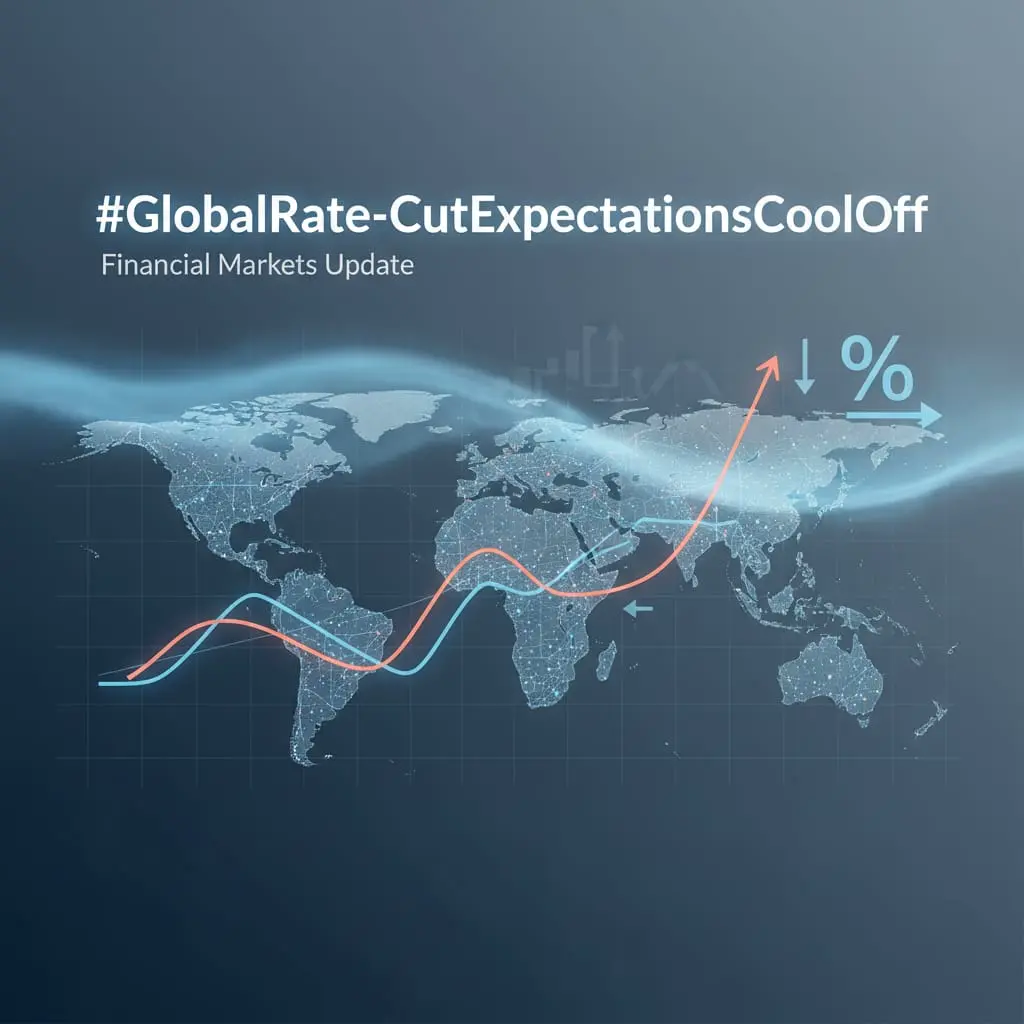


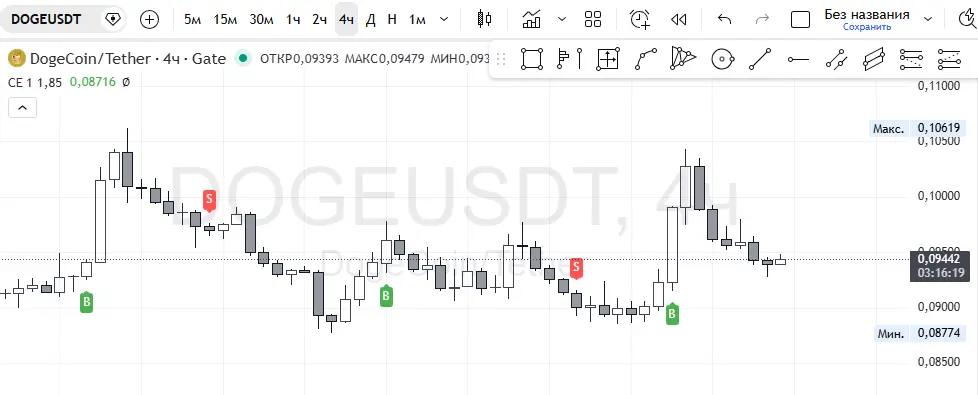
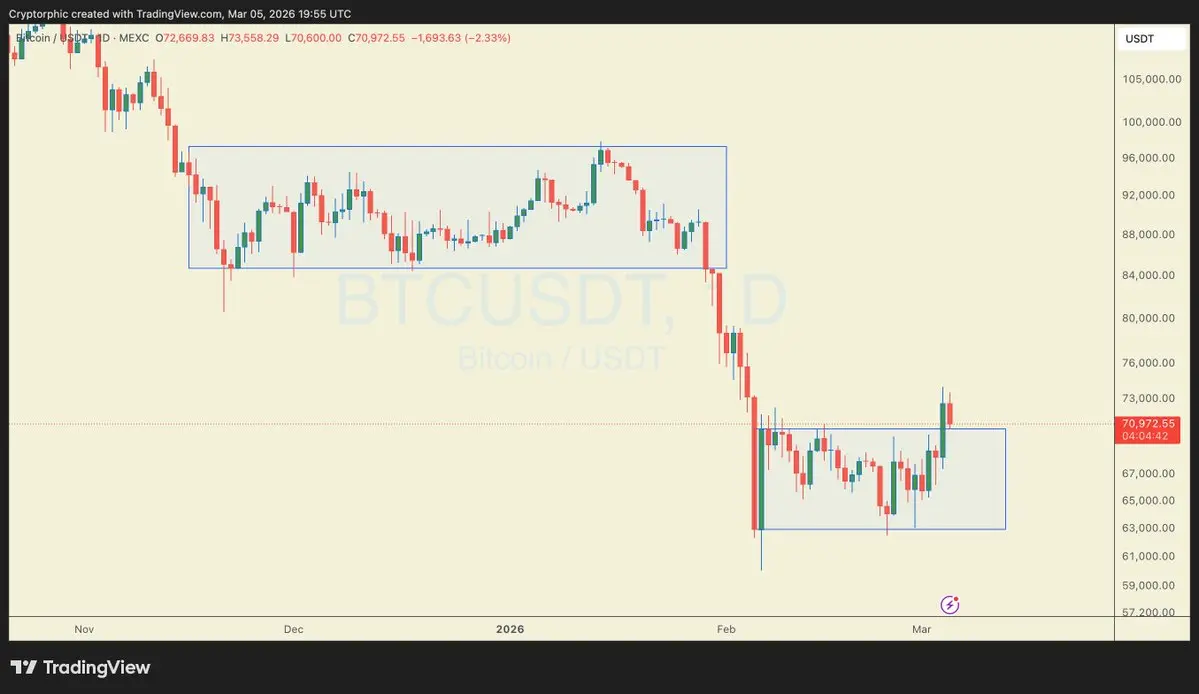

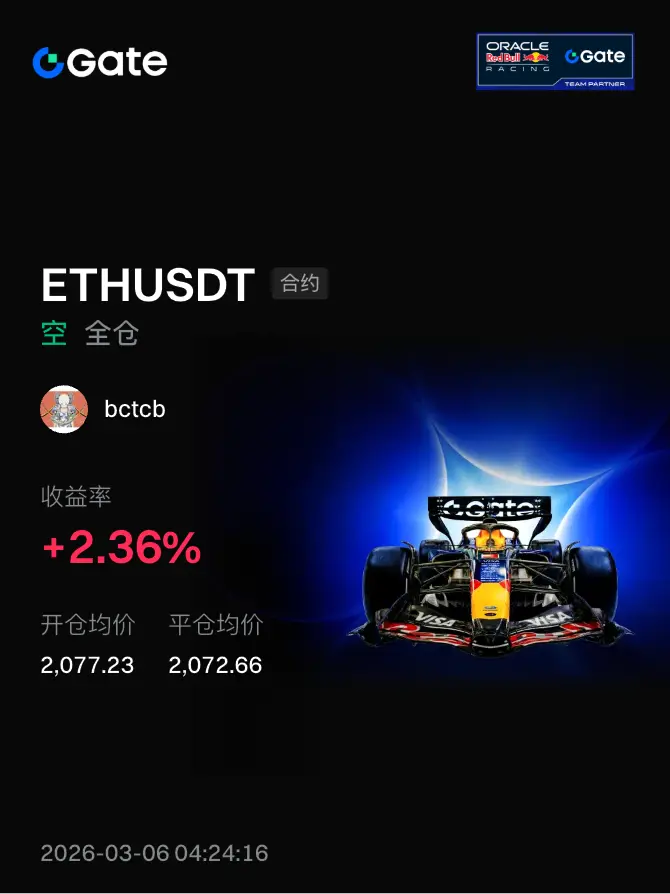
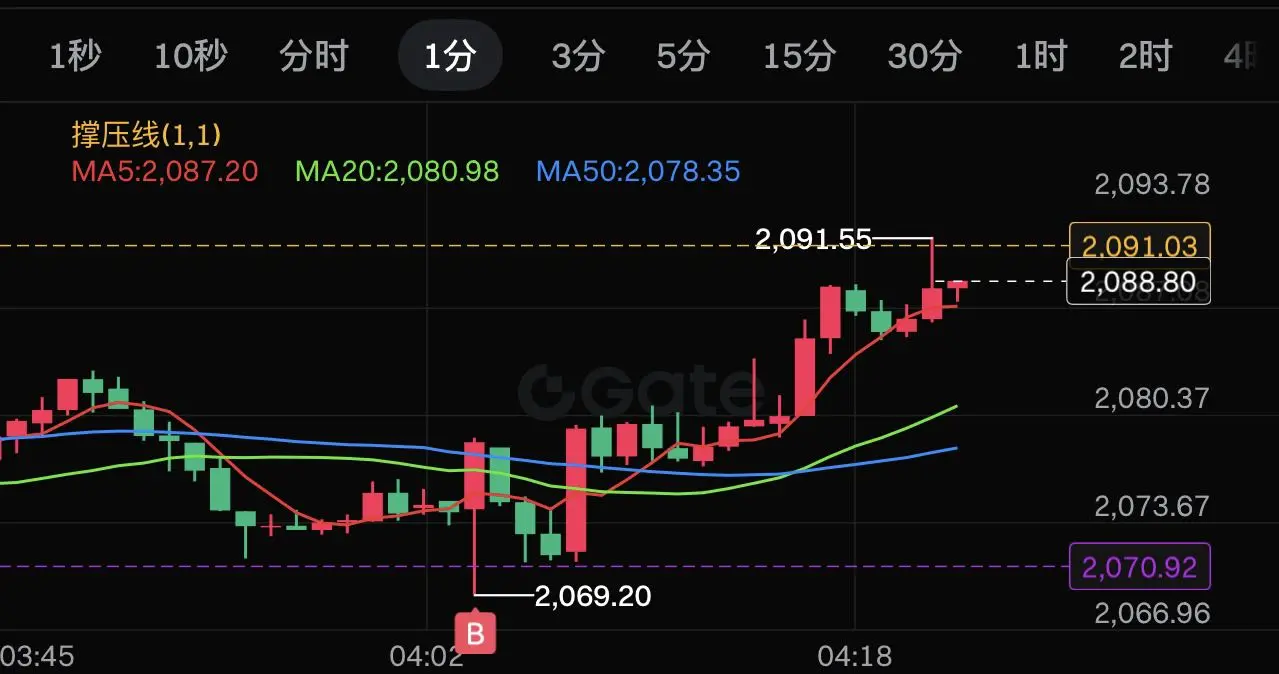

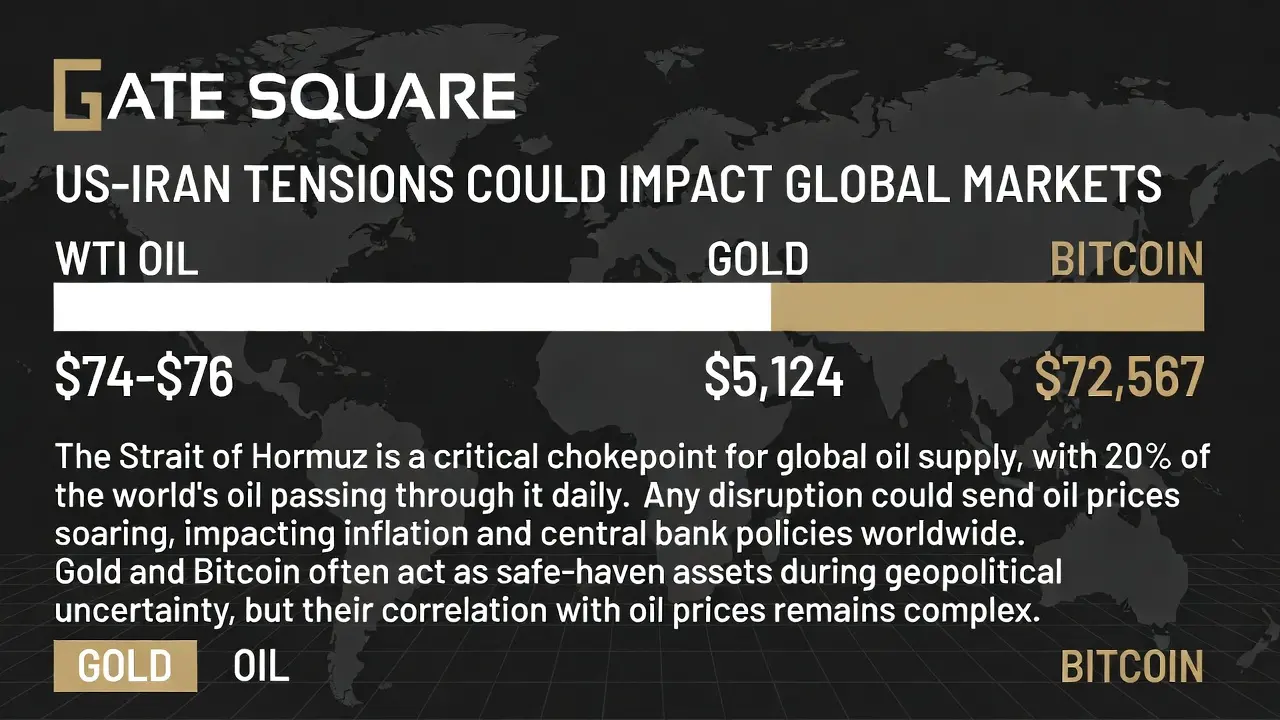
#USIranTensionsImpactMarkets has been trending across social media as investors closely monitor the situation and its potential economic consequences.
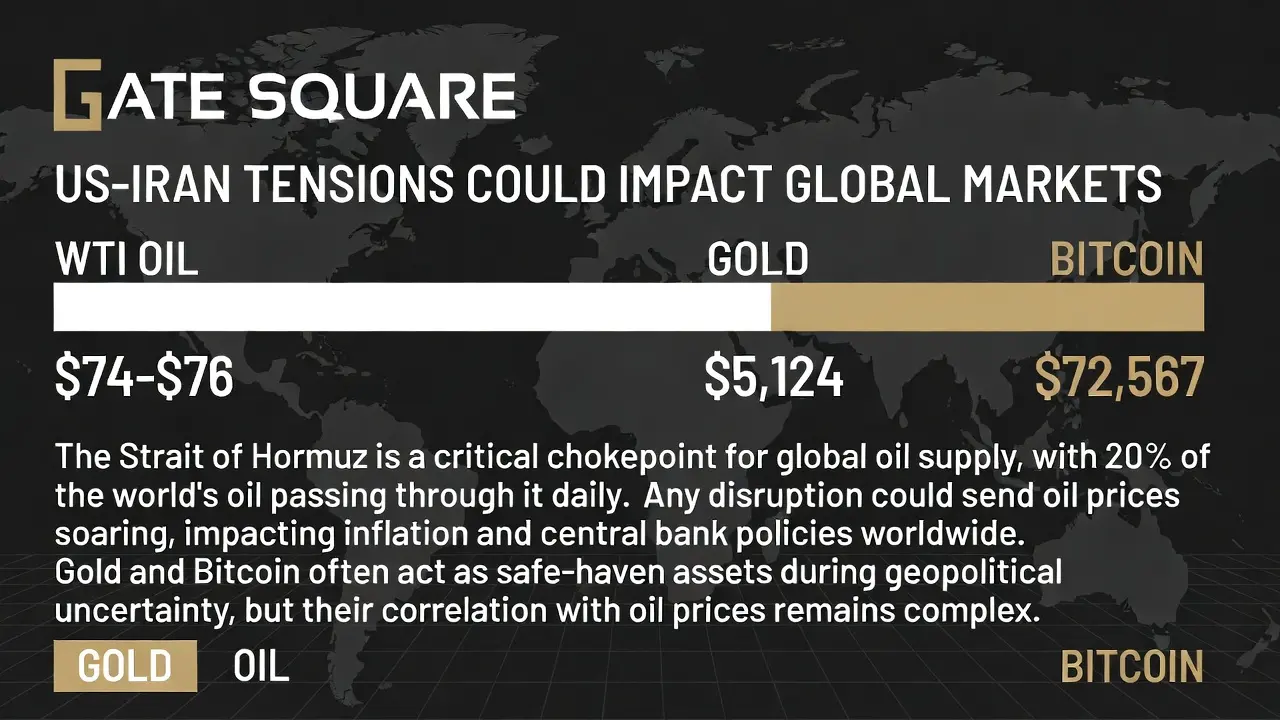
Historically, geopolitical conflicts in the Middle East have had a significant impact on global markets, particularly energy prices. Iran plays an important role in global oil supply, and any threat to regional stability often causes oil prices to surge
. When tensions between the United States and Iran escalate, investors worry about disruptions to shipping routes in the Persian Gulf, especially the Strait of Hormuz, a key passageway for global oil transportation.
As news of rising tensions spreads, stock markets often respond with volatility.
Investors typically move their money away from riskier assets such as stocks and cryptocurrencies and shift toward safer investments like gold and government bonds. This “risk-off” behavior reflects uncertainty about how far the conflict might escalate and what economic consequences could follow.
Oil markets are usually the first to react. Even the possibility of sanctions, military activity, or shipping disruptions can cause traders to push oil prices higher. Rising energy prices can then ripple through the global economy, increasing production costs for businesses and potentially contributing to inflation in many countries.
Cryptocurrency markets are also closely watching these developments. While some investors see crypto as a hedge during global instability, others treat it as a high-risk asset and sell during uncertain times. This mixed perception often leads to sudden price swings in major digital assets like Bitcoin and Ethereum whenever geopolitical news dominates headlines.
For emerging markets and developing economies, the effects can be even more pronounced. Higher energy costs can strain national budgets and weaken currencies, making it more difficult for governments to manage inflation and economic growth. Meanwhile, global investors become more cautious, reducing capital flows into riskier regions.
Despite these challenges, financial markets have historically shown resilience. Investors adapt quickly as new information emerges, and markets often stabilize once the geopolitical outlook becomes clearer. However, the current situation reminds us how interconnected global politics and financial markets truly are.
As the situation between the United States and Iran continues to unfold, traders, policymakers, and analysts around the world will remain alert. Whether the tensions ease through diplomacy or escalate further will likely determine how global markets move in the coming weeks. For now, uncertainty remains the dominant theme shaping investor sentiment across the financial world.
Historically, geopolitical conflicts in the Middle East have had a significant impact on global markets, particularly energy prices. Iran plays an important role in global oil supply, and any threat to regional stability often causes oil prices to surge
. When tensions between the United States and Iran escalate, investors worry about disruptions to shipping routes in the Persian Gulf, especially the Strait of Hormuz, a key passageway for global oil transportation.
As news of rising tensions spreads, stock markets often respond with volatility.
Investors typically move their money away from riskier assets such as stocks and cryptocurrencies and shift toward safer investments like gold and government bonds. This “risk-off” behavior reflects uncertainty about how far the conflict might escalate and what economic consequences could follow.
Oil markets are usually the first to react. Even the possibility of sanctions, military activity, or shipping disruptions can cause traders to push oil prices higher. Rising energy prices can then ripple through the global economy, increasing production costs for businesses and potentially contributing to inflation in many countries.
Cryptocurrency markets are also closely watching these developments. While some investors see crypto as a hedge during global instability, others treat it as a high-risk asset and sell during uncertain times. This mixed perception often leads to sudden price swings in major digital assets like Bitcoin and Ethereum whenever geopolitical news dominates headlines.
For emerging markets and developing economies, the effects can be even more pronounced. Higher energy costs can strain national budgets and weaken currencies, making it more difficult for governments to manage inflation and economic growth. Meanwhile, global investors become more cautious, reducing capital flows into riskier regions.
Despite these challenges, financial markets have historically shown resilience. Investors adapt quickly as new information emerges, and markets often stabilize once the geopolitical outlook becomes clearer. However, the current situation reminds us how interconnected global politics and financial markets truly are.
As the situation between the United States and Iran continues to unfold, traders, policymakers, and analysts around the world will remain alert. Whether the tensions ease through diplomacy or escalate further will likely determine how global markets move in the coming weeks. For now, uncertainty remains the dominant theme shaping investor sentiment across the financial world.