🤨🧐💥 Why Do Whales Move at the Same Time? What Do On-Chain Data Say?
Most people think whales moving at the same time is just a coincidence.
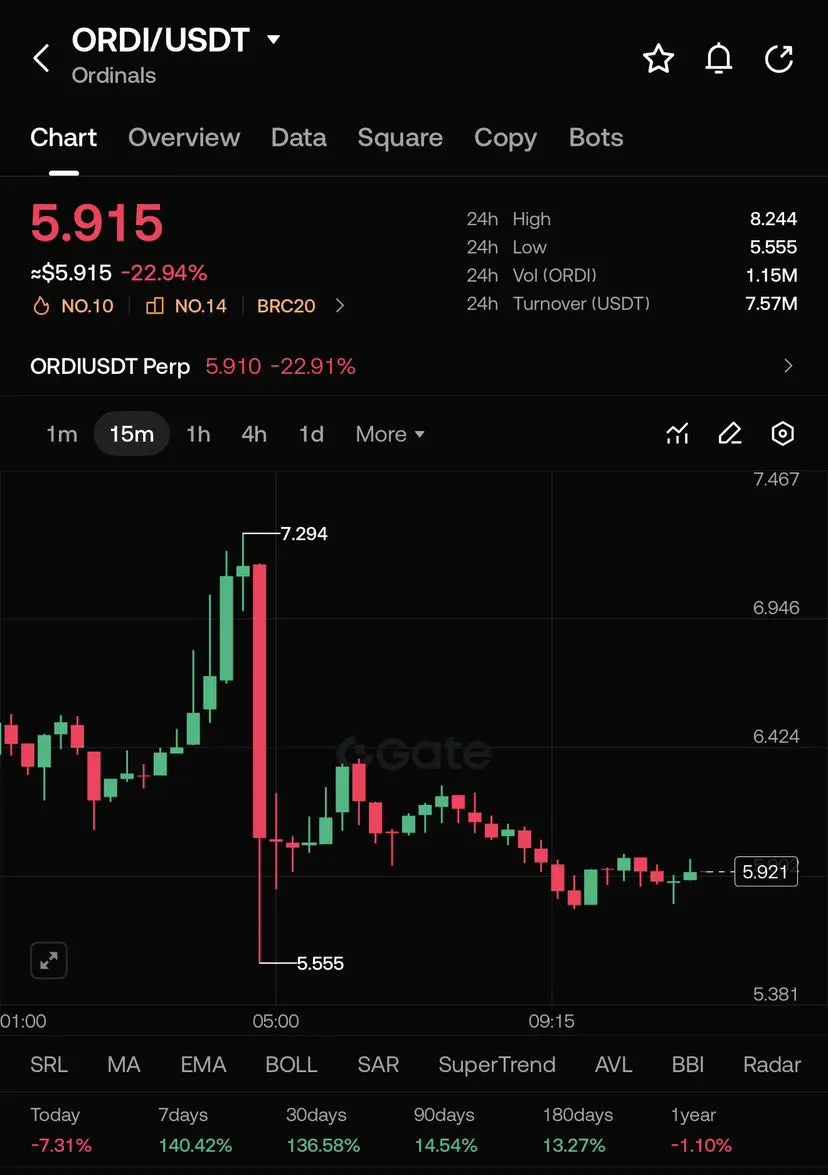
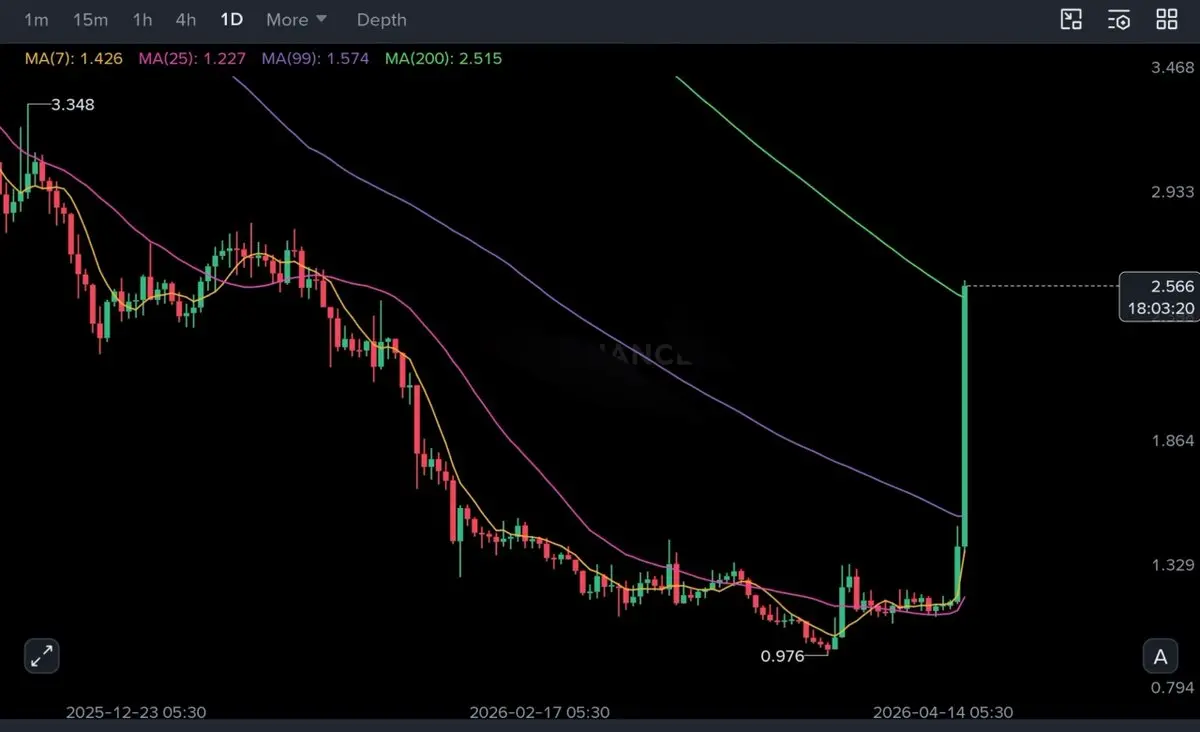
They look at the chart, see a sudden drop or a sharp move up and assume it is just market chaos.
But if you watch closely, something does not quite add up.
Right before major moves, large wallets start becoming active almost at the same time.
Not one or two but many of them.
That is usually where the real story begins.
Because price is not the cause.
It is the result.
Most traders think they are reacting to the market.
In reality, they are reacting to moves that already happened minutes or even hours ago.
The actual movement starts on-chain, long before it shows up on your chart.
Big players move funds to exchanges or quietly pull them out in large amounts.
When you zoom out, those movements often line up in a way that feels almost coordinated.
It makes you wonder if they are acting together.
They are not sitting in a group chat planning the next move.
What they are doing is much simpler and more important.
They are looking at the same kind of data!
Whales do not trade based on emotions or random guesses.
They track where liquidity is sitting, where stop losses are likely stacked, where real money is waiting.
When you understand that those so called coincidences stop looking random.
Think about those moments when price suddenly gets pulled to a level everyone was watching.
The area where people felt safe placing their stops.
The level everyone expected to hold.
Price does not go there by accident.
That is where liquidity lives.
And in this market, liquidity is the real target.
Another layer most people miss is the data advantage.
Platforms like Glassnode and CryptoQuant make it possible to see things like exchange inflows, large transfers and stablecoin movements.
When multiple large players are watching the same signals, it is not surprising they end up making similar decisions around the same time.
There is also something even less visible happening in the background.
A lot of large transactions do not hit the open market at all.
They happen through OTC deals, away from public order books.
That means positions can be built quietly, without moving the price right away.
By the time you notice the move, whales are not entering.
They are already managing their positions.
So when you see a breakout or a breakdown on the chart, part of the move has already been set in motion.
If you start paying attention to on-chain signals, the market begins to feel a little less random.
Sudden spikes in coins moving to exchanges can hint at potential selling pressure.
Large outflows might suggest accumulation.
Rising stablecoin inflows can indicate that buying power is getting ready.
None of these are perfect signals on their own.
But they give you something most traders do not have.
Context!
And in a market like this, context is everything.
At the end of the day, there are two ways to look at the market.
You can follow price, like most people do.
Or you can try to follow the money behind it.
Price shows you what already happened.
Money shows you what might happen next.
So the real question is simple.
Are you watching the chart or the movement behind it?
✅️ FOLLOW FOR MORE ✅️
$ETH #GatePreIPOsLaunchesWithSpaceX
$ADA
$SOL
Most people think whales moving at the same time is just a coincidence.
They look at the chart, see a sudden drop or a sharp move up and assume it is just market chaos.
But if you watch closely, something does not quite add up.
Right before major moves, large wallets start becoming active almost at the same time.
Not one or two but many of them.
That is usually where the real story begins.
Because price is not the cause.
It is the result.
Most traders think they are reacting to the market.
In reality, they are reacting to moves that already happened minutes or even hours ago.
The actual movement starts on-chain, long before it shows up on your chart.
Big players move funds to exchanges or quietly pull them out in large amounts.
When you zoom out, those movements often line up in a way that feels almost coordinated.
It makes you wonder if they are acting together.
They are not sitting in a group chat planning the next move.
What they are doing is much simpler and more important.
They are looking at the same kind of data!
Whales do not trade based on emotions or random guesses.
They track where liquidity is sitting, where stop losses are likely stacked, where real money is waiting.
When you understand that those so called coincidences stop looking random.
Think about those moments when price suddenly gets pulled to a level everyone was watching.
The area where people felt safe placing their stops.
The level everyone expected to hold.
Price does not go there by accident.
That is where liquidity lives.
And in this market, liquidity is the real target.
Another layer most people miss is the data advantage.
Platforms like Glassnode and CryptoQuant make it possible to see things like exchange inflows, large transfers and stablecoin movements.
When multiple large players are watching the same signals, it is not surprising they end up making similar decisions around the same time.
There is also something even less visible happening in the background.
A lot of large transactions do not hit the open market at all.
They happen through OTC deals, away from public order books.
That means positions can be built quietly, without moving the price right away.
By the time you notice the move, whales are not entering.
They are already managing their positions.
So when you see a breakout or a breakdown on the chart, part of the move has already been set in motion.
If you start paying attention to on-chain signals, the market begins to feel a little less random.
Sudden spikes in coins moving to exchanges can hint at potential selling pressure.
Large outflows might suggest accumulation.
Rising stablecoin inflows can indicate that buying power is getting ready.
None of these are perfect signals on their own.
But they give you something most traders do not have.
Context!
And in a market like this, context is everything.
At the end of the day, there are two ways to look at the market.
You can follow price, like most people do.
Or you can try to follow the money behind it.
Price shows you what already happened.
Money shows you what might happen next.
So the real question is simple.
Are you watching the chart or the movement behind it?
✅️ FOLLOW FOR MORE ✅️
$ETH #GatePreIPOsLaunchesWithSpaceX
$ADA
$SOL