AmberTeaSwirl

vip
Age 0.1 Yıl
Peak Tier 0
No content yet
Actually, everyone understands that DAO voting on the surface is "the community has the final say," but the way incentives are written in proposals, who gets to see them first, and who handles the statistics basically set up the power structure. Recently, I tend to first read the sections on "rewards/distribution/delegation" in proposals, like smelling the aroma before brewing tea: if it smells too good, it probably has a strong aftertaste. And then there are those that tie voting rights to activity levels, which sounds like social mining, attention mining, and similar schemes—it's lively, but
View Original
  • Reward
  • Comment
  • Repost
  • Share
Someone just brushed over ETF capital flows and US stock risk appetite and linked them together, then casually inferred crypto should go up or down... It looks a bit like the cup is too hot but still forcing a sip.
Back to the modular chain thing, for a user like me, the end user, it doesn't feel that mysterious: if it's well-made, it means more stable transfer confirmations, fees that don't fluctuate wildly, wallets that don't freeze unexpectedly, and cross-chain transfers that don't feel like moving house every time.
Honestly, I don't care how it splits "execution/data/settlement," I jus
View Original
  • Reward
  • Comment
  • Repost
  • Share
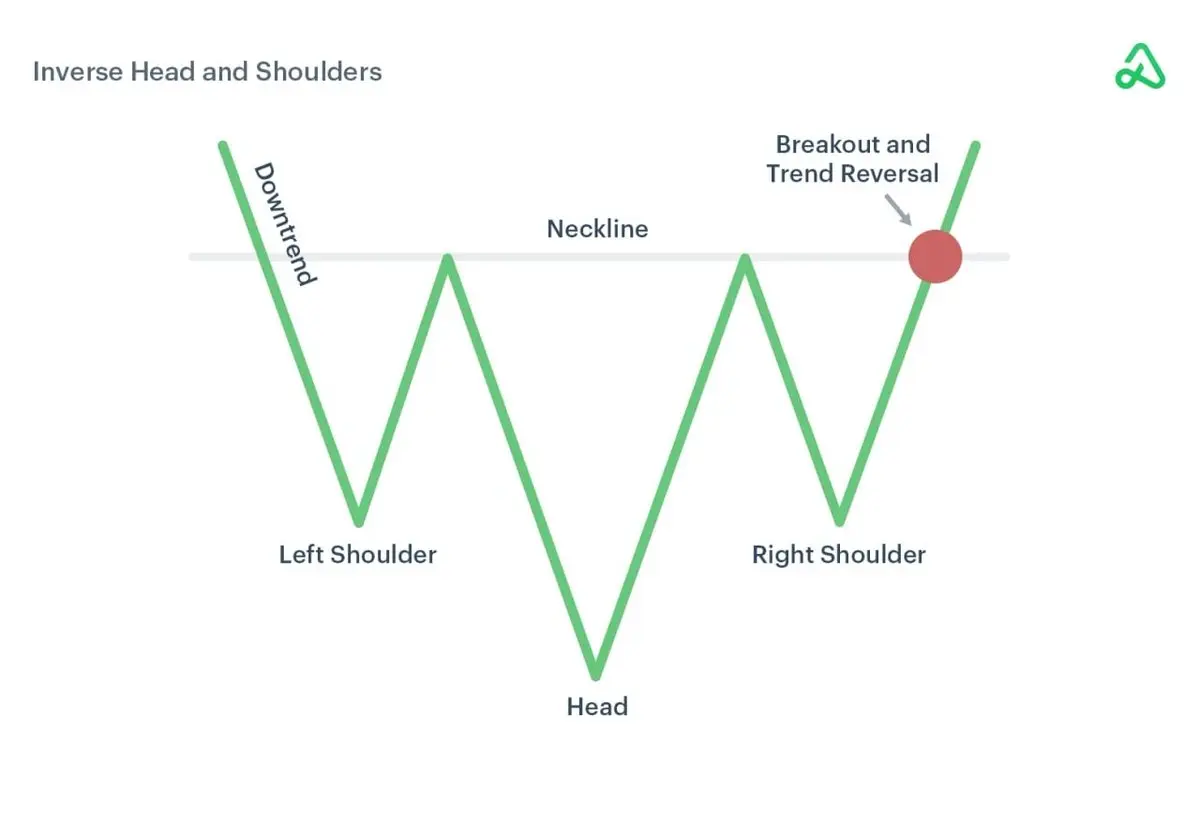
Only after the left shoulder and right shoulder are both formed should we talk about a reversal; otherwise, it's just paying tuition to the market.
View Original
CryptoSat
Inverse Head and Shoulders (IH&S)
The inverse head and shoulders stock chart pattern is used as a predictor for the reversal of a downward trend. It is also sometimes called the “head and shoulders bottom” or even a “reverse head and shoulders, ” but all of these names mean the same thing within technical analysis.
It gets the name from having one longer peak, forming the head, and two level peaks on either side which create the shoulders.
repost-content-media
  • Reward
  • Comment
  • Repost
  • Share
In the past few days, I've been looking at on-chain transfers, and many people, upon seeing "arbitrage contract volume" and "same time period," start to imagine conspiracies... I’ve since gotten used to breaking it down into paths: which exchange's hot wallet it came from, whether it passed through a relay address, and finally whether it ended up in a custody/making market/cross-chain bridge type of "public endpoint." To put it simply, many coincidences are just because everyone is on the same highway, not necessarily the same driver.
Recently, funding rates have also been quite extreme, with
View Original
  • Reward
  • Comment
  • Repost
  • Share
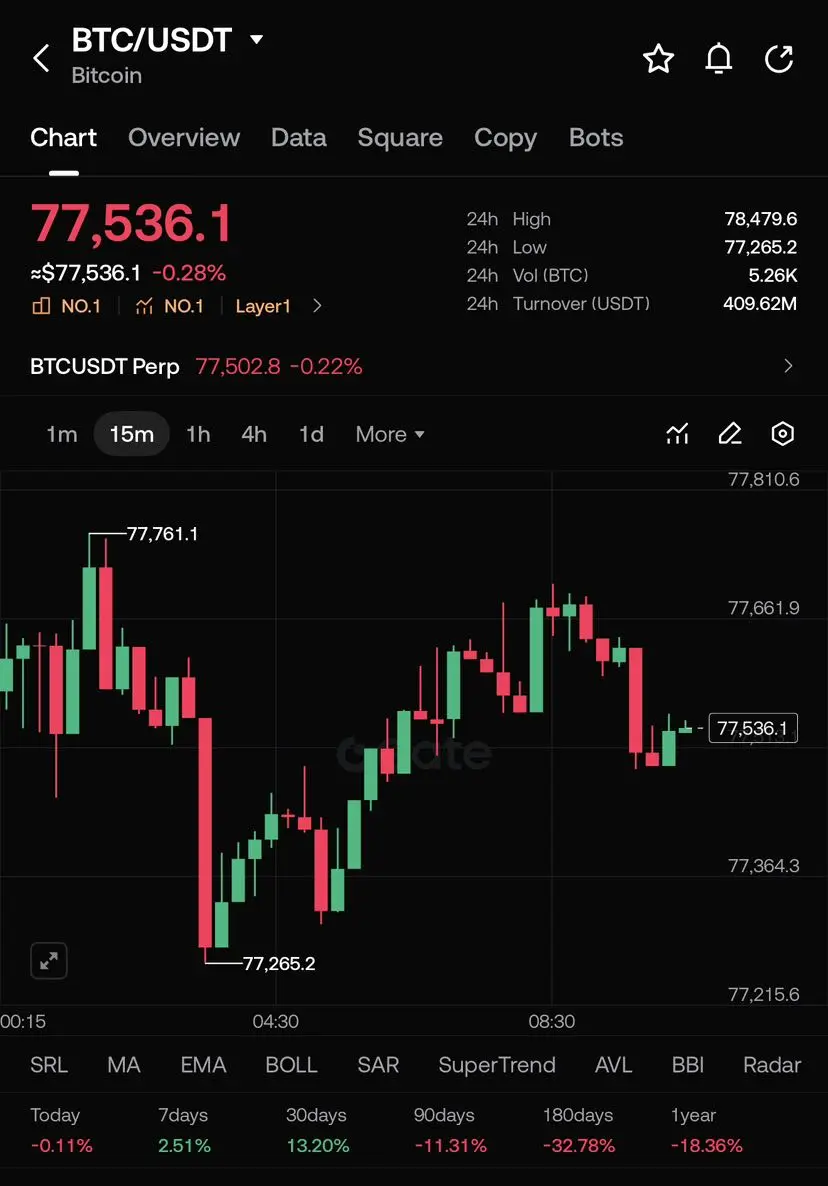
TP1/2/3 gradients are very reasonable; reaching 78,6xx is a textbook-style continuation.
View Original
LedgerBull
$BTC showing steady intraday strength with controlled pullbacks.
Buyers still holding short-term structure.
EP
77,300 - 77,500
TP
TP1 77,800
TP2 78,200
TP3 78,600
SL
77,000
Price swept downside liquidity near 77,265 and reacted cleanly, forming higher lows on the 15m. Structure remains intact with buyers defending pullbacks, suggesting continuation toward liquidity above recent highs.
Let’s go $BTC ‌
repost-content-media
  • Reward
  • Comment
  • Repost
  • Share
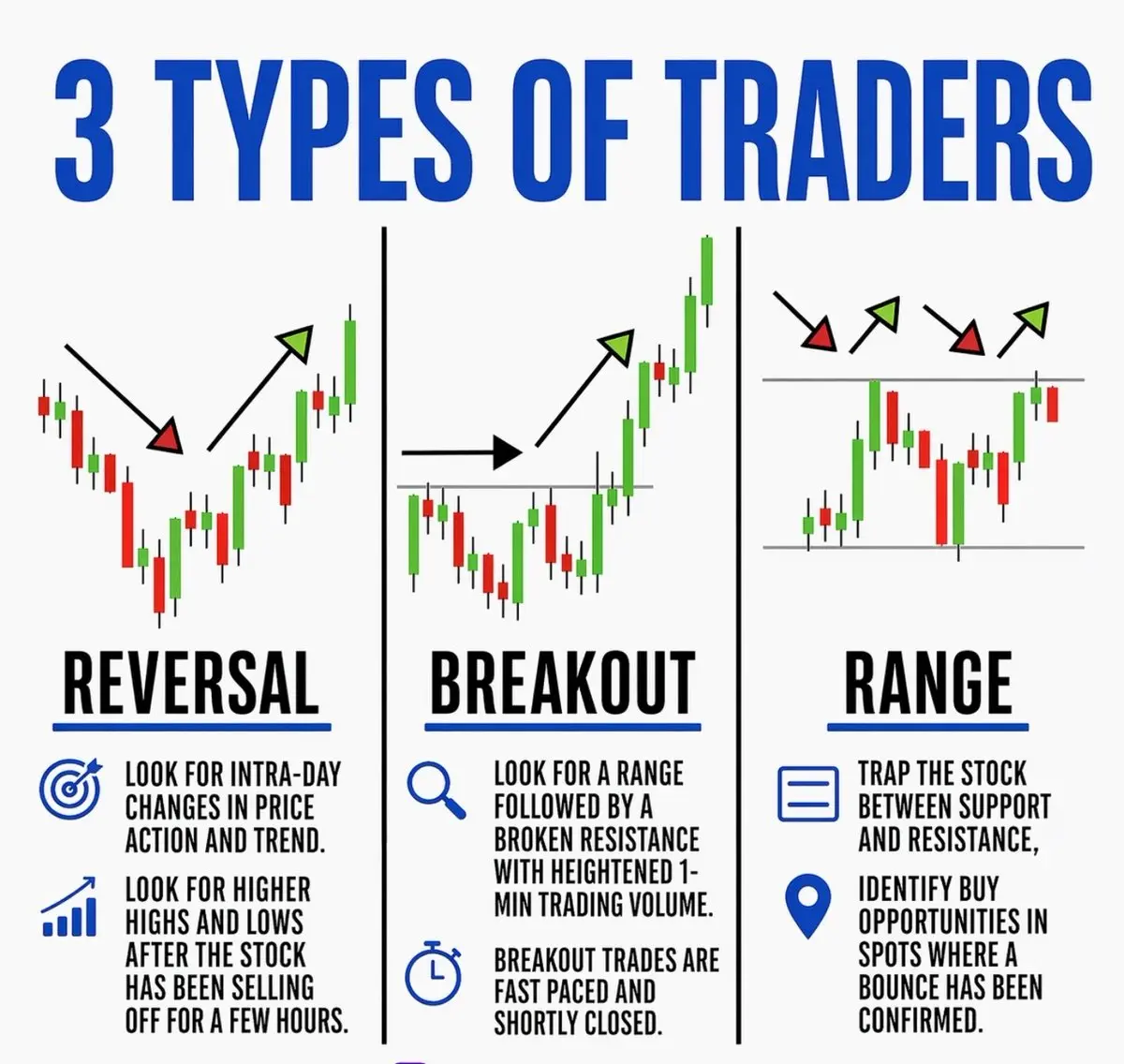
I will first determine whether the market is trending or consolidating, then choose the appropriate strategy; otherwise, no matter how many strategies there are, they are just random punches.
View Original
CryptoSat
Understanding the 3 Core Trading Styles 📊
Markets are not random — they move in structured patterns.
Most strategies used by traders fall into three core categories:
1. Reversal Trading
This approach focuses on identifying potential turning points after a trend shows signs of exhaustion.
Traders look for shifts in market structure — such as the transition from lower lows to higher highs — to anticipate a change in direction.
2. Breakout Trading
Breakout traders wait for price to move beyond key levels of support or resistance.
A valid breakout is typically supported by strong momentum and increased volume, signaling the start of a new trend or expansion phase.
3. Range Trading
In sideways markets, price tends to move between defined support and resistance zones.
Range traders capitalize on this by buying near support and selling near resistance, focusing on consistency rather than large moves.
There is no single “best” strategy in trading.
Long-term success comes from mastering one approach, applying disciplined risk management, and maintaining consistency.
Which trading style aligns best with your strategy right now?
repost-content-media
  • Reward
  • Comment
  • Repost
  • Share
Interesting: Teda invests in KAIO, will the ecosystem/liquidity pick up later?
View Original
Original content no longer visible
  • Reward
  • Comment
  • Repost
  • Share
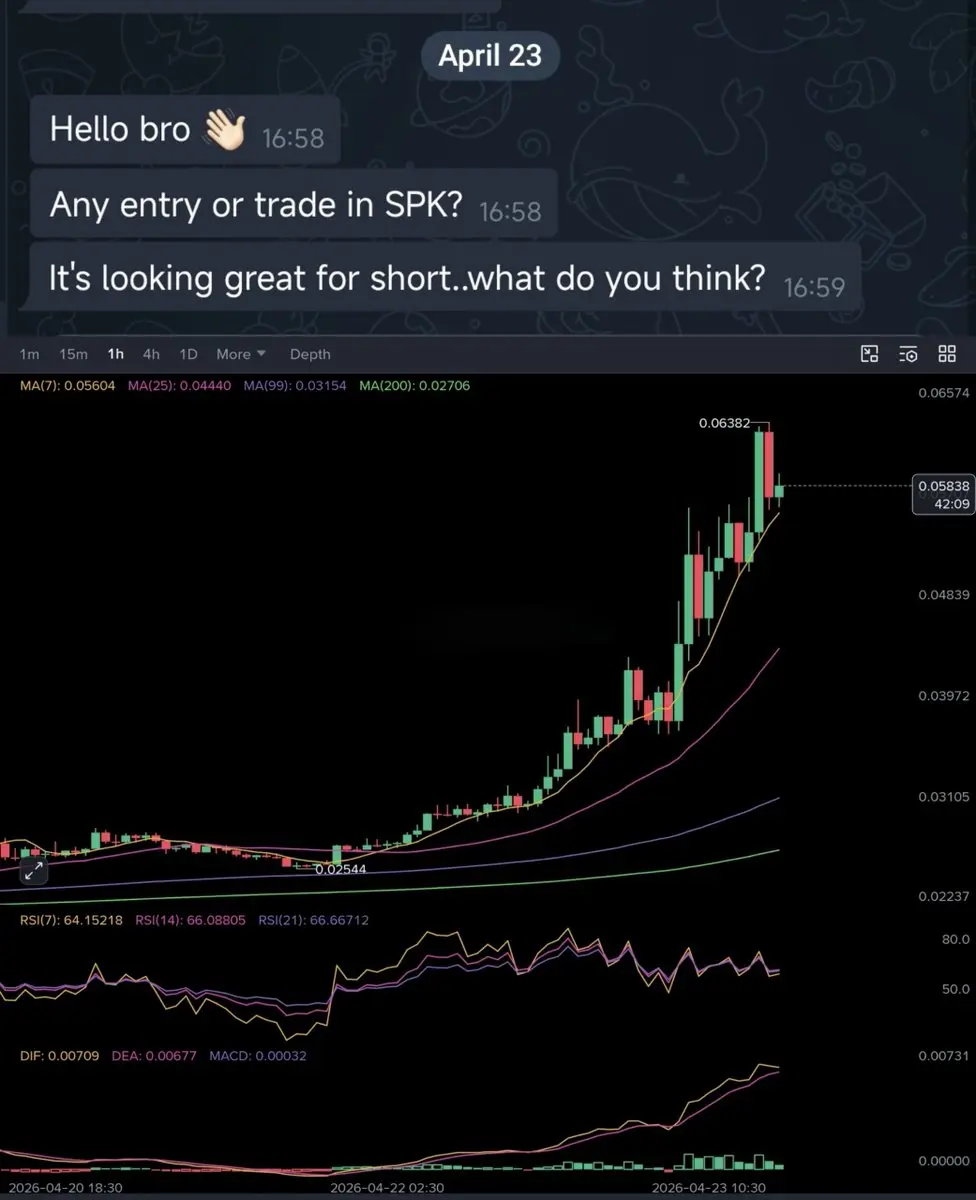
This kind of strong trend is most afraid of chasing at the turning point; it's better to miss out than to force a move at the high.
View Original
CryptoSat
$SPK is still hot… but careful here 🔥
This has been a clean bullish run — strong higher highs, riding MA7 perfectly. That’s why price moved fast from ~0.025 → 0.063. Pure momentum.
But now we’re seeing the first signs of slowdown near the top. Small rejection + slight pullback — nothing bearish yet, just early cooling.
The key thing here is MA7 👇
As long as price holds above it, trend stays strong and continuation is still possible.
But if MA7 breaks down, that’s usually the first signal momentum is weakening. In that case, expect a pullback toward:
0.0507 – 0.048 zone (first reaction)
and possibly 0.045 area if selling increases.
That wouldn’t break the trend — just a healthy correction after a big move.
Simple view:
Hold MA7 → trend continues 🚀
Lose MA7 → short-term correction
Right now, it’s still bullish… just not the best spot to chase blindly.
repost-content-media
  • Reward
  • Comment
  • Repost
  • Share
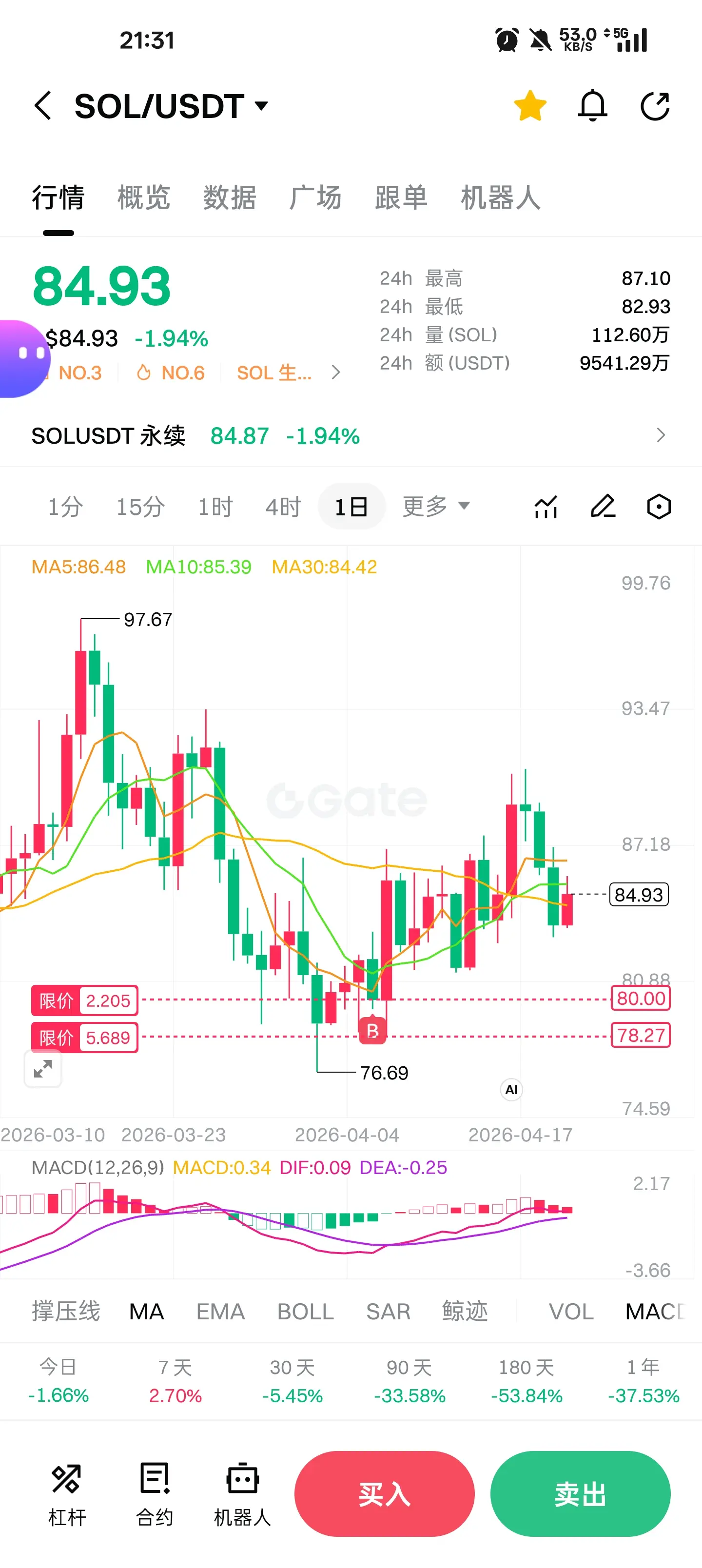
Open short at 85.4 + stop loss at 88.88, risk control clearly defined, execution is the most important.
View Original
ExtremeWayBit
$BTC $ETH $SOL
Solana left an order unfilled at the 85.40 level. My personal strategy is this: first take profit at 80.33, second take profit at 78.88! Stop loss: 88.88. Strictly follow my plan, I feel tonight will break below 80😃
repost-content-media
  • Reward
  • Comment
  • Repost
  • Share
These days, the group keeps sharing screenshots about stablecoin regulation, reserve audits, and "de-pegging is happening." After seeing so many, I’ve become a bit numb... The more these situations occur, the more I want to let the tea sit for a while, instead of rushing to swallow it when it’s hot.
For beginners assessing a project’s "credibility," you don’t actually need to read the code right away. First, check if there are continuous updates on GitHub and whether only one or two accounts are pushing hard; then review the audit reports, focusing on "what was found, whether it was fixed, and
View Original
  • Reward
  • Comment
  • Repost
  • Share
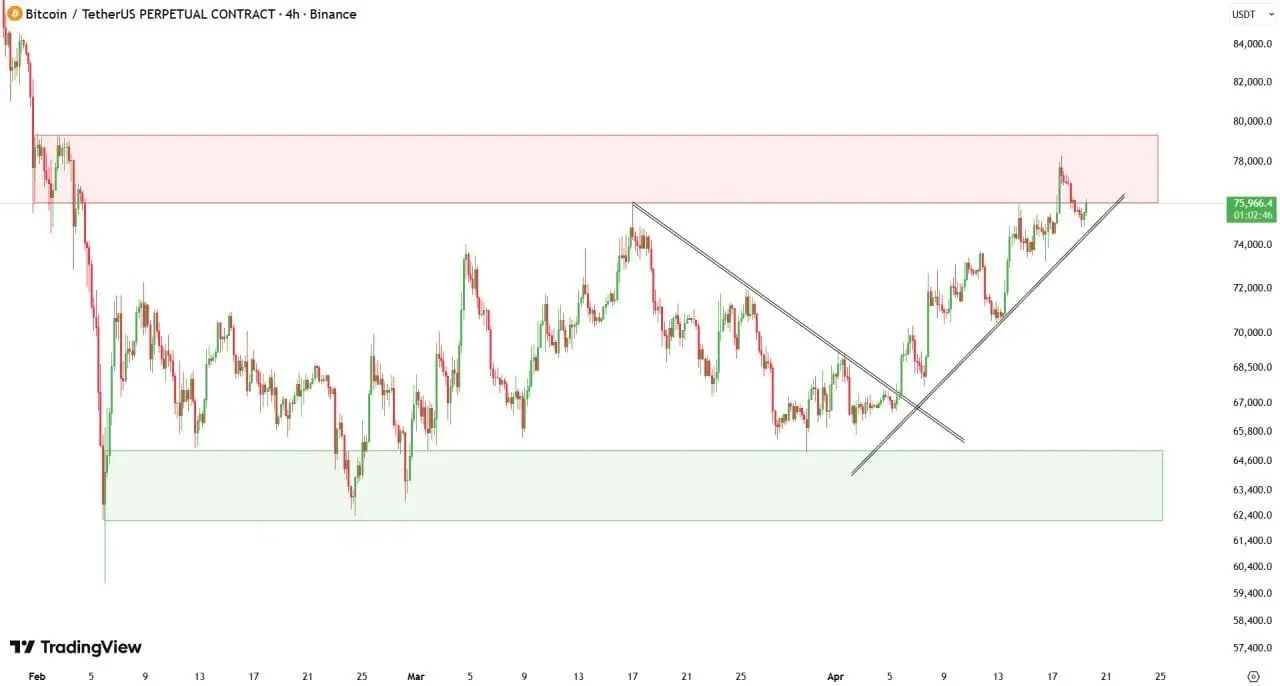
Resistance level reached: Break above with increased volume, I buy; with decreased volume and a surge, I sell. Simple trading plan executed.
View Original
CryptoSat
$BTC At Major Resistance — Break or Fake?
Bitcoin just tapped the $78K resistance zone🎯
  • Reward
  • Comment
  • Repost
  • Share
Predictive anti-rug pulling is very important; often, it's not that you're slow, but that your opponent has already set up the exit logic in advance.
View Original
CarpenterLabs
As Web3 steps into 2026, the nature of on-chain trading has undergone a fundamental transformation. If two or three years ago we were still discussing how to manually snatch a popular project's public sale or racing against others in liquidity pools by boosting our network speed, now trading has completely become a game of algorithms versus algorithms, proxies versus proxies. Against this backdrop, the emergence of @StrikeRobot_ai is not just an upgrade of tools; it signifies a deep shift in trading logic from "execution-driven" to "intelligence-driven."
Early trading bots were essentially scripts with preset logic. They executed the simplest "If-Then" logic: if a certain contract is detected to be released, then buy; if the price reaches a certain threshold, then sell. This logic might have been effective during early liquidity explosions, but in the highly complex market environment of 2026, such single scripts are no longer viable. Today’s market is filled with sophisticated MEV strategies, false social media hype, and rapidly shifting liquidity frontiers.
The core competitiveness of @StrikeRobot_ai lies in its introduction of a genuine AI decision layer. It is no longer merely passively waiting for instructions but actively modeling real-time on-chain data to understand the "intent" behind trades. This means users no longer need to study complex contract parameters or manually adjust gas fees; AI agents will automatically find the optimal execution path based on the user’s risk preferences and target returns. This transition from "manual control" to "autonomous driving" marks a milestone in the maturity of Web3 infrastructure.
For seasoned traders, the most challenging aspect is often not technical operation but filtering out massive noise. On social media (especially X), information overload results in a very high noise ratio. When a project is heavily discussed, is it genuine community enthusiasm or organized bot-driven hype?
@StrikeRobot_ai’s deep value lies in its quantification and analysis of social sentiment. By integrating large language models to process real-time social media data, it can identify which projects have true community consensus and which are just fleeting bubbles. Coupled with on-chain fund flows—especially the movements of wallets known as "smart money"—it can provide users with relatively objective investment advice. The ability to combine social signals with on-chain data is highly lethal in today’s PvP market.
The security risks of on-chain trading did not disappear in 2026; they have become more covert. Rug pulls have evolved to include extremely complex exit logic embedded in smart contracts. Traditional anti-rug pull bots often only react when project teams initiate withdrawal transactions, but in high-frequency trading environments, such reaction speeds are often insufficient.
@StrikeRobot_ai demonstrates its infrastructure-level depth in this area. Its security module not only scans for common backdoors in contract code but, more importantly, monitors liquidity pool depth and buy-sell ratios at millisecond intervals to preempt potential sell-offs. When danger is imminent, AI can send withdrawal commands via private RPC nodes (such as Jito or similar MEV protection channels). This "predictive defense" greatly enhances retail traders’ survival rate during extreme market volatility.
The future under intent-centric architecture
We often discuss the mass adoption of Web3, but if the barrier to on-chain interaction remains so high, that day will never arrive. The significance of @StrikeRobot_ai is not just in helping people make money but in greatly simplifying user interaction through an intent-centric design.
The future trading scenario should be: you only need to tell AI your target asset range and risk tolerance, and everything else—from discovering targets, auditing security, configuring positions, to automatic take-profit and stop-loss—will be handled by AI agents. @StrikeRobot_ai has deeply explored this direction. It makes trading no longer a tedious technical task but a strategic intellectual game.
In summary, @StrikeRobot_ai’s positioning is very clear: it is an integrated platform combining AI intelligence with ultra-fast execution. As decentralized finance shifts from floating interest rate models to more complex term structures, and as RWA (real-world assets) become highly integrated with on-chain assets, this kind of "deep thinking" trading robot will become an indispensable right-hand for every serious trader.
For anyone trying to seize opportunities in this rapidly evolving market, understanding and leveraging such tools may be more important than studying projects themselves. Because in 2026, winners are not just those who understand the trends but those who master the most powerful tools capable of instantly turning trends into profits.
repost-content-media
  • Reward
  • Comment
  • Repost
  • Share
It feels like market sentiment is starting to heat up again, but the hotter it gets, the more you need to stay calm and wait for confirmation signals.
View Original
MarcusCorvinus
$BTC just stepped into the danger zone — and this is where things get explosive.
Higher highs, higher lows — structure is clean, bulls in control.
70K reclaimed like it was nothing… momentum is building.
Now pressing into 75K–78K supply — heavy resistance, big decision zone.
Break this clean… and we’re talking price discovery mode.
Reject here… and a pullback to 68K–70K becomes the reload zone.
This is that moment — compression, pressure, energy building.
Watching closely… breakout = send it higher.
repost-content-media
  • Reward
  • Comment
  • Repost
  • Share
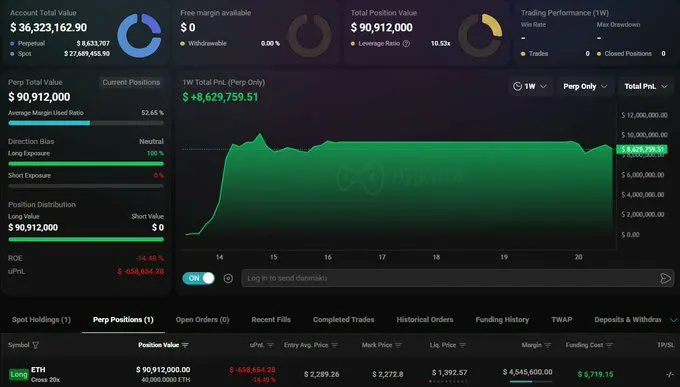
Once 1392 breaks, it will trigger liquidation; market fluctuations can easily activate it, causing excitement.
View Original
CryptoRevolutionMaster
JUST IN: A whale has opened a $90,912,000 ETH long with 20x leverage with liquidation Price at $1,392.
$ETH
repost-content-media
  • Reward
  • Comment
  • Repost
  • Share
Meet at 8 o'clock tonight, don't flake on me, I want to hear the full story of this space Shiba Inu.
View Original
Original content no longer visible
  • Reward
  • Comment
  • Repost
  • Share
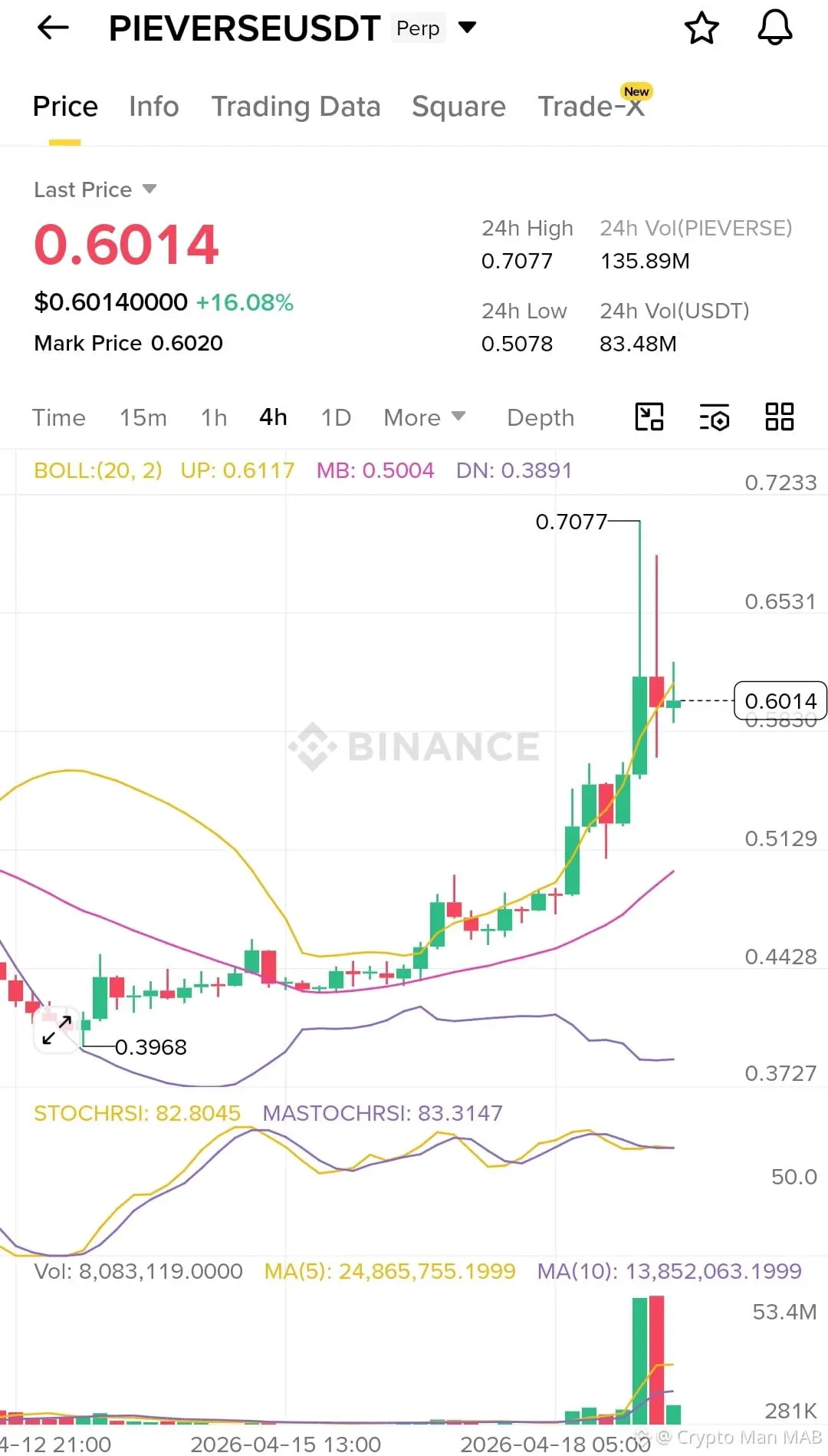
The strategy is clearly outlined: enter within the range, defend at 0.71, gradually lower the target, and trade according to the plan without emotional reactions.
View Original
CryptoManMab
$PIEVERSE just printed a classic blow off top with a massive rejection wick on top clear signs of exhaustion kicking in 👀
{future}(PIEVERSEUSDT)
Entry Zone: 0.600 – 0.620
Stop Loss: 0.710
Take Profit 1: 0.560
Take Profit 2: 0.510
Take Profit 3: 0.460
repost-content-media
  • Reward
  • Comment
  • Repost
  • Share
Lately, when I see whether the project is seriously working, I don't just look at how beautiful the PPT is; I focus on two things: where the treasury funds are going and whether the milestones are being achieved on time. If the money is always allocated to big categories like "market cooperation" or "ecosystem incentives," spent quite actively but there's little movement on the chain, I instinctively dial down the enthusiasm a bit; on the other hand, expenses like development, auditing, and infrastructure are steady, updates are progressing on schedule, even if slow, I feel more at ease.
These
View Original
  • Reward
  • Comment
  • Repost
  • Share
Lately, I’ve been looking at a few protocol delegated-vote proposals again, and the more I look, the more it feels like drinking tea that’s gone cold: on the surface, everyone can vote, but in the end, it’s still just a few people’s addresses flipping the cards. Who exactly is being “governed” by the governance token… To be blunt, many people hand their votes over just to save time—I get it—but if it goes on too long, it tends to become oligarchic. Even if the proposal is written really well, it ends up feeling like it’s just going through the motions.
These past couple of days, when there are
View Original
  • Reward
  • Comment
  • Repost
  • Share
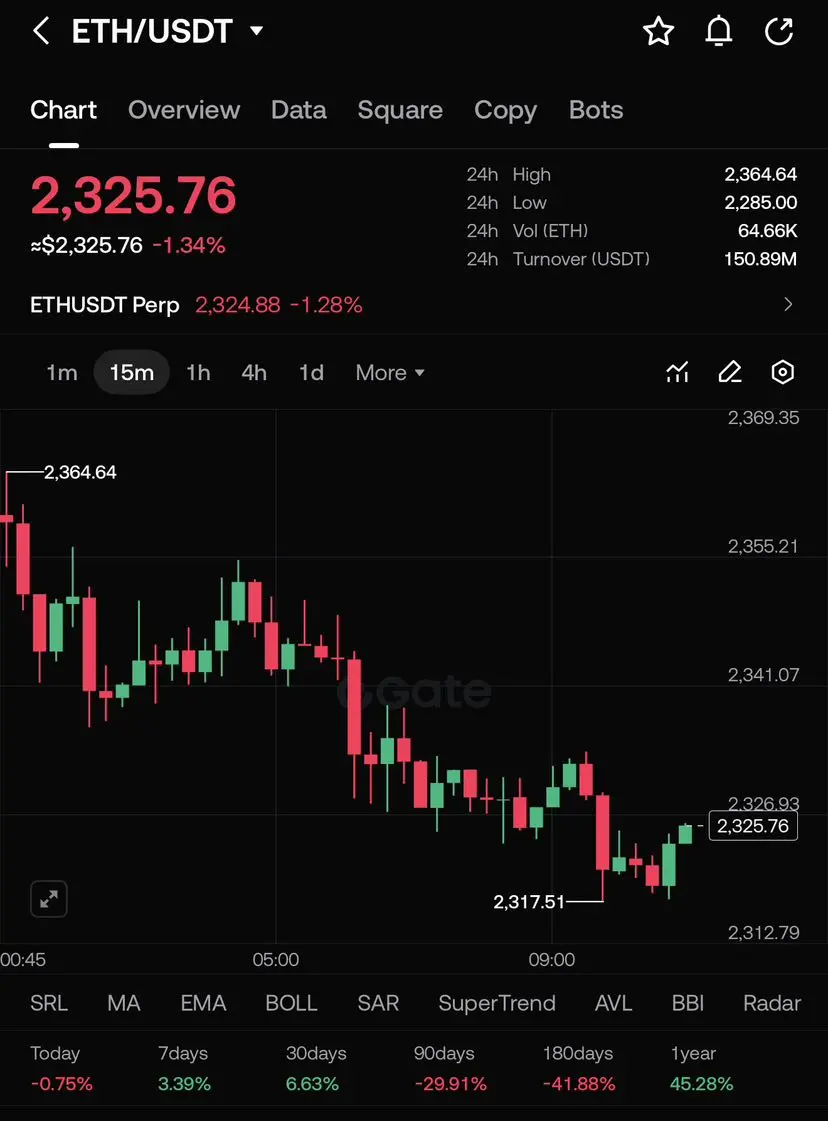
In the short-term cycle, a lower high was formed consecutively, and the selling pressure is indeed heavy. First, see if 2290 can hold.
View Original
LedgerBull
$ETH showing short-term weakness after rejection from local highs.
Sellers in control with structure leaning bearish on lower timeframes.
EP
2320 - 2340
TP
TP1 2290
TP2 2260
TP3 2220
SL
2365
Liquidity above 2350 was swept before downside continuation, confirming sell-side pressure. Lower highs forming with weak bounce attempts suggest further downside unless structure reclaims resistance.
Let’s go $ETH ‌
repost-content-media
  • Reward
  • Comment
  • Repost
  • Share
These days, the group has been talking again about sharding and parallel processing, feeling like the tea just boiled, and everyone wants a sip right away. To be honest, no matter how lively the narrative gets, I still focus on two things: where to place the assets and how to withdraw when the time comes. Regulations on stablecoins, reserve audits, and the rumors of "de-anchoring" all cause the mood to fluctuate like water temperature once shared... I treat it as practice, not getting caught up in the hype, first splitting the positions into smaller parts, preparing multiple withdrawal and dep
View Original
  • Reward
  • Comment
  • Repost
  • Share
  • Pin